

What Are Silicon Carbide Wafers Used For?
silicon carbide wafers play a critical role in the evolution of modern power electronics. As industries demand higher efficiency, smaller system size, and greater reliability under extreme operating conditions, traditional silicon materials are increasingly limited. Silicon carbide, commonly abbreviated as SiC, has emerged as a next-generation semiconductor substrate that enables devices to operate at higher voltages, temperatures, and switching frequencies. This article explores what silicon carbide wafers are used for, how they differ from Silicon Wafers, and why they are becoming essential across multiple advanced applications.
Understanding Silicon Carbide Wafers
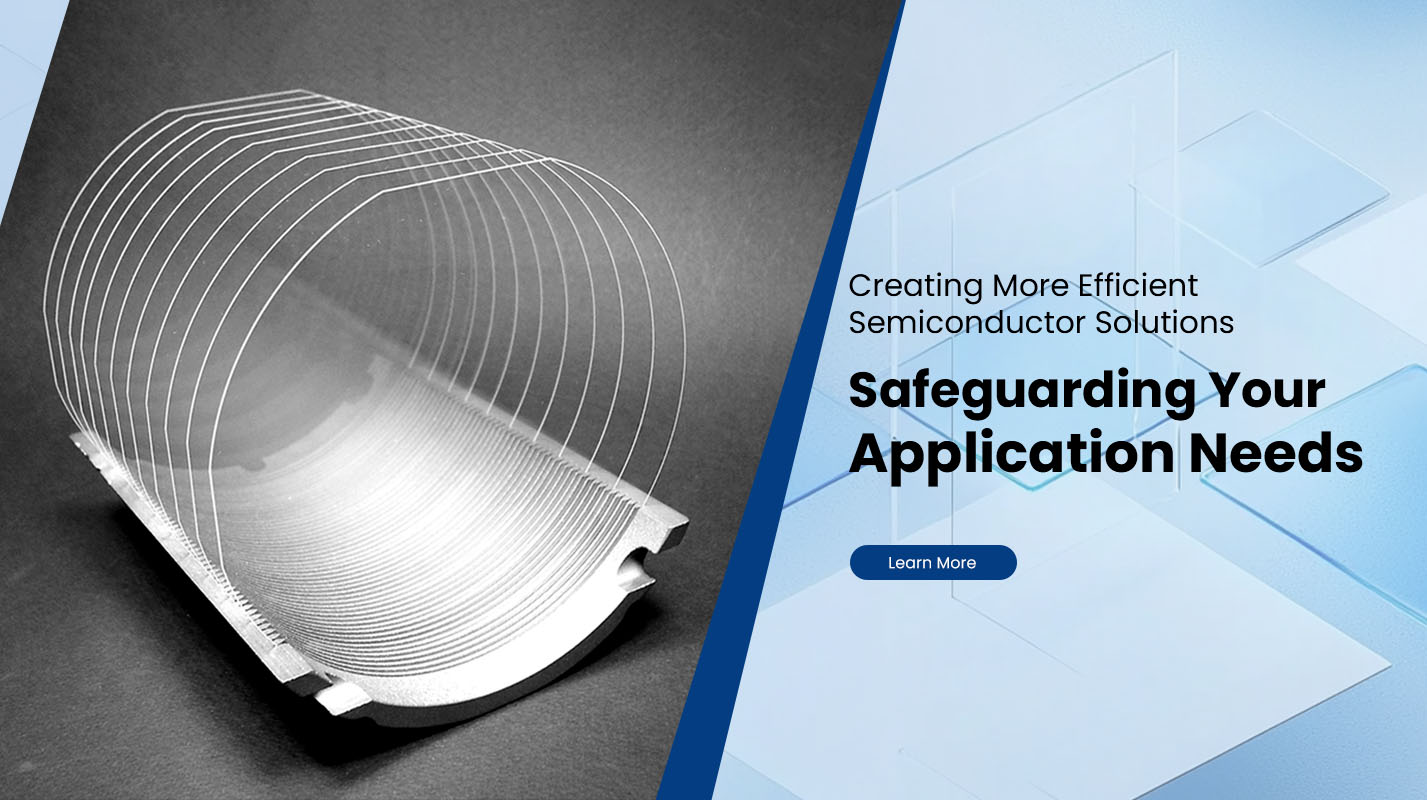
A silicon carbide wafer is a crystalline substrate manufactured from silicon carbide, a compound semiconductor composed of silicon and carbon atoms arranged in a robust lattice structure. Compared with conventional silicon wafers, SiC wafers exhibit a wider bandgap, significantly higher thermal conductivity, and much stronger electric field breakdown strength. These intrinsic material properties allow devices fabricated on SiC wafers to perform reliably in conditions that would rapidly degrade silicon-based components.
In practical terms, silicon carbide wafers serve as the foundation for power devices such as MOSFETs, Schottky diodes, and power modules. The wafer quality directly influences device efficiency, yield, and long-term reliability, making substrate selection a strategic decision for manufacturers in power electronics and energy systems.
Power Electronics and High-Voltage Switching
One of the primary uses of silicon carbide wafers is in high-performance power electronics. SiC-based power devices can switch faster and handle much higher voltages than their silicon counterparts while generating less heat. This combination leads to smaller passive components, reduced cooling requirements, and higher overall system efficiency.
In industrial power supplies, uninterruptible power systems, and data center power conversion, silicon carbide wafers enable compact designs that maintain stable performance under heavy electrical loads. High-voltage SiC MOSFETs and diodes fabricated on these wafers are particularly valuable in applications where efficiency improvements of even a few percentage points translate into substantial energy savings at scale.
Electric Vehicles and Charging Infrastructure
The electric vehicle industry is one of the fastest-growing markets for silicon carbide wafers. In EV powertrains, SiC devices are used in traction inverters, onboard chargers, and DC-DC converters. Their ability to operate at higher switching frequencies allows designers to reduce the size and weight of magnetic components, directly improving vehicle range and power density.
Fast-charging infrastructure also benefits from silicon carbide wafers. High-voltage SiC devices support higher charging currents with lower losses, enabling rapid charging stations that are more compact and energy-efficient. As EV adoption accelerates globally, the demand for high-quality SiC wafers continues to rise.
Renewable Energy Systems
Silicon carbide wafers are widely used in renewable energy applications, particularly in solar inverters and wind power conversion systems. These systems require power electronics that can withstand harsh outdoor environments, high voltages, and continuous operation over long lifecycles.
SiC-based devices fabricated on silicon carbide wafers offer higher efficiency at elevated temperatures, reducing the need for oversized cooling systems. This improves system reliability and lowers total cost of ownership. In large-scale solar farms and distributed energy storage systems, these advantages directly contribute to better energy yield and improved grid stability.
Industrial Motor Drives and Automation
In industrial automation, motor drives must deliver precise control, high efficiency, and long service life. Silicon carbide wafers enable power devices that operate efficiently at high switching speeds, improving motor response and reducing acoustic noise.
Applications such as robotics, CNC machinery, and factory automation benefit from the reduced losses and compact designs made possible by SiC technology. Over time, the improved thermal performance of SiC-based systems also leads to lower maintenance requirements and increased uptime in demanding industrial environments.
Aerospace, Defense, and Harsh Environments
Silicon carbide wafers are particularly well suited for aerospace and defense applications, where electronics must operate reliably under extreme temperatures, radiation exposure, and mechanical stress. The wide bandgap of silicon carbide allows devices to function at temperatures far beyond the limits of silicon, reducing the need for complex cooling systems.
In radar systems, satellite power units, and aircraft electrical systems, SiC-based components contribute to lighter designs and improved energy efficiency. These advantages are critical in applications where weight, reliability, and performance margins are tightly constrained.
Comparison Between Silicon and Silicon Carbide Wafers
The growing adoption of silicon carbide wafers can be better understood by comparing their core characteristics with traditional silicon wafers.
| Property | Silicon Wafer | Silicon Carbide Wafer |
|---|---|---|
| Bandgap | Narrow | Wide |
| Breakdown Electric Field | Lower | Much higher |
| Thermal Conductivity | Moderate | Very high |
| Maximum Operating Temperature | Limited | Significantly higher |
| Switching Speed | Moderate | Very fast |
| Typical Applications | Consumer electronics, logic | Power electronics, high-voltage systems |
This contrast highlights why silicon carbide wafers are not simply a replacement for silicon but a complementary material that enables entirely new system-level performance gains.
Role of Wafer Quality in Device Performance
The effectiveness of silicon carbide wafers depends heavily on crystal quality, defect density, surface flatness, and doping uniformity. Micropipes, dislocations, and basal plane defects can negatively affect device yield and long-term reliability. As a result, advanced crystal growth and wafer processing technologies are essential to fully realize the benefits of SiC materials.
Manufacturers increasingly focus on tight quality control and continuous improvement of wafer fabrication processes. This emphasis ensures that downstream device makers can achieve consistent electrical performance and scalable production.
Choosing a Reliable silicon carbide wafer supplier
As silicon carbide technology becomes more widely adopted, selecting a capable and experienced wafer supplier is a key consideration for device manufacturers and system integrators. A reliable partner should offer stable wafer quality, multiple wafer sizes, and support for different power device requirements.
Companies like Plutosemi provide silicon carbide wafer solutions designed for advanced power electronics applications. By focusing on material performance and manufacturing consistency, Plutosemi supports customers seeking to develop efficient, high-reliability SiC-based devices for demanding markets. More information about their silicon carbide technology and capabilities can be found at https://www.plutosemitech.com.
Conclusion
Silicon carbide wafers are used as the foundation for next-generation power electronics across electric vehicles, renewable energy systems, industrial automation, and aerospace applications. Their superior electrical and thermal properties enable higher efficiency, smaller system designs, and reliable operation in extreme conditions. As global demand for energy efficiency and electrification continues to grow, silicon carbide wafers are positioned as a cornerstone material shaping the future of power semiconductor technology.
Previous: What is LiNbO3?