
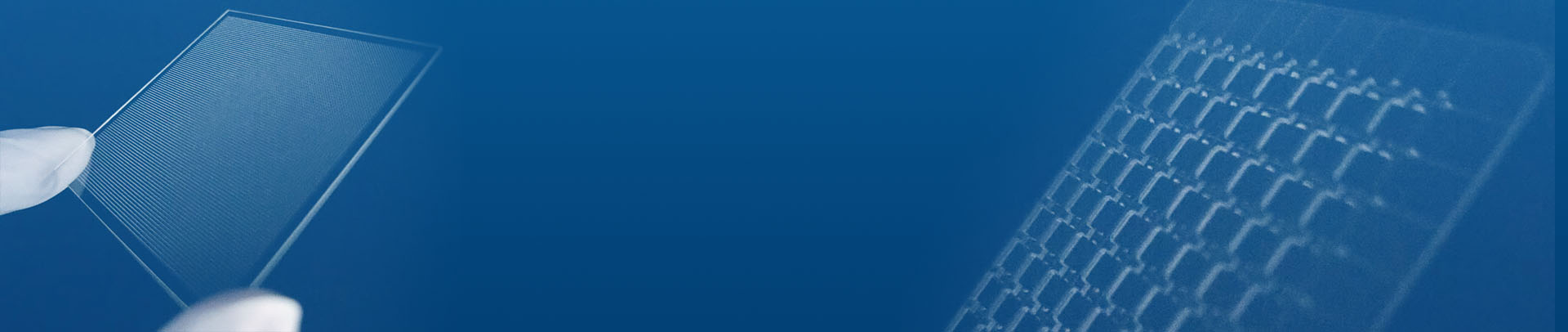
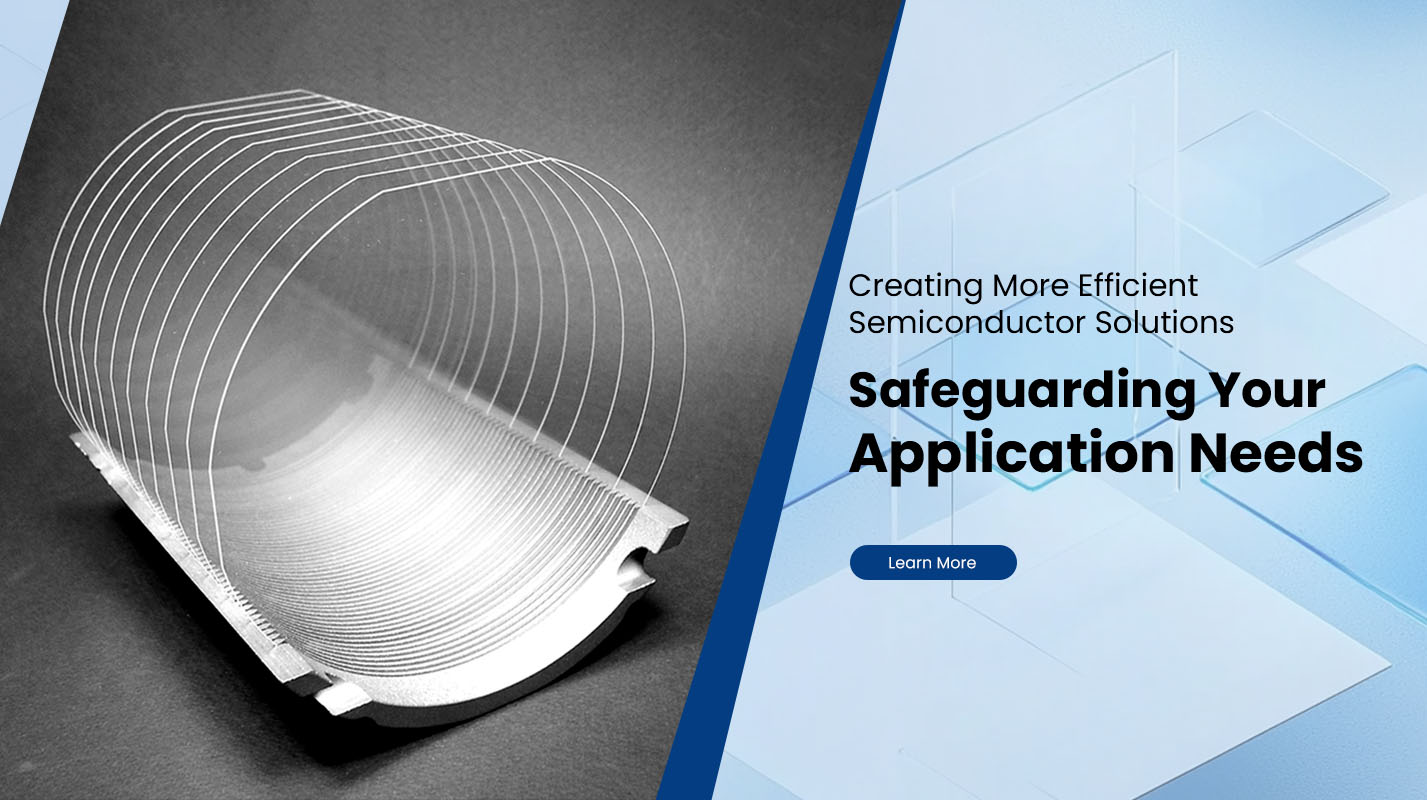
Mirror polished wafers are inspected through a combination of visual surface examination, automated defect detection, roughness measurement, thickness testing, flatness evaluation, particle inspection, and edge-quality checks. A mirror polished silicon wafer must provide a smooth and clean surface suitable for epitaxy, lithography, bonding, coating, or device fabrication.
-
2026-09-18
-
2026-09-18Dummy silicon wafers are needed when semiconductor equipment or production lines require a wafer-shaped carrier for process monitoring, chamber conditioning, equipment setup, or non-device testing. A semiconductor dummy silicon wafer can help stabilize process conditions without using valuable product wafers.
-
2026-09-10The suitable thickness of a thermal oxide layer depends on its function, electrical requirements, masking performance, etching conditions, and process temperature. Thin oxide films may be used as gate dielectrics or interface layers, while thicker films can provide stronger insulation, surface protection, or diffusion masking.
-
2026-09-17Thermal oxide silicon is used when a silicon wafer requires a controlled silicon dioxide layer with strong interface quality, stable insulation, and predictable thickness. The oxide is formed by heating the silicon wafer in an oxygen-rich or steam-based environment, allowing the surface of the silicon to react and grow an oxide film.
-
2026-09-16Neutron transmutation doping improves silicon resistivity uniformity by converting selected silicon atoms into electrically active dopants through neutron irradiation. This method can provide a more even dopant distribution than some conventional crystal-growth approaches, especially in large-diameter material.
-
2026-09-16P type silicon wafers are used in semiconductor devices, power components, sensors, MEMS structures, photovoltaic research, and process development. Their electrical behavior is created by introducing acceptor dopants into the silicon crystal, producing holes as the majority charge carriers.
-
2026-09-15Doping changes silicon wafers by adding carefully controlled impurity atoms that modify carrier concentration and electrical conductivity. It determines whether the wafer is p-type or n-type and influences resistivity, junction behavior, depletion width, carrier mobility, and device compatibility.
-
2026-09-15Low resistance silicon is used when a semiconductor structure requires efficient current conduction, reduced substrate loss, or a reliable ohmic connection. Its low electrical resistance is achieved through controlled doping and is valuable in power devices, backside-contact structures, sensors, test wafers, and selected epitaxial applications.
-
2026-09-14FZ silicon improves material purity by melting and recrystallizing silicon without direct contact with a quartz crucible. This reduces the introduction of oxygen and other impurities during crystal growth. The result is a high purity float zone wafer with controlled electrical properties, long carrier lifetime, and low contamination potential for demanding semiconductor, detector, sensor, and power device applications.
-
2026-09-14Float zone silicon is a high-purity single-crystal material produced without using a quartz crucible during the main melting and refining stage. The absence of direct contact with a crucible helps reduce oxygen and carbon contamination.
-
2026-09-13Wafer thickness affects mechanical strength, thermal behavior, electrical resistance, material removal, handling stability, and process compatibility. The correct thickness depends on wafer diameter, device architecture, equipment limits, backside processing, bonding method, and final application.
-
2026-09-13Silicon wafer bow is the curvature that develops across a wafer when its two surfaces or internal layers carry uneven stress. It may appear after crystal growth, slicing, grinding, polishing, coating, thermal treatment, or packaging. Excessive bow can affect vacuum chuck contact, lithography focus, wafer bonding, epitaxy, and automated handling.