

How to Pack Silicon Wafers Safely?
Silicon Wafers look rigid, but they behave like precision optics in transit: any micro-scratch, edge chip, particle, moisture mark, or electrostatic event can turn a good wafer into a yield risk. Safe packing is not only about “getting it there.” It is about keeping surface cleanliness, geometry, and traceability intact from outgoing inspection to incoming release. Below is a practical, manufacturer-style packing method that reduces damage rates and avoids common receiving disputes.
Define the shipment risk before you pack
Start with four questions that determine the packing stack:
Wafer format: single wafer, small batch, or full lot in a cassette
Diameter and thickness sensitivity: larger and thinner wafers require stricter shock control and better slot stability
Surface condition: polished, ultra-flat, epitaxial, or coated surfaces are more sensitive to contact and particles
Route and handling: air freight and multi-stop couriers increase vibration, drops, and temperature swings
If you align the packaging method to these variables, you avoid overpacking cost while still protecting the wafer.
Choose the right primary container
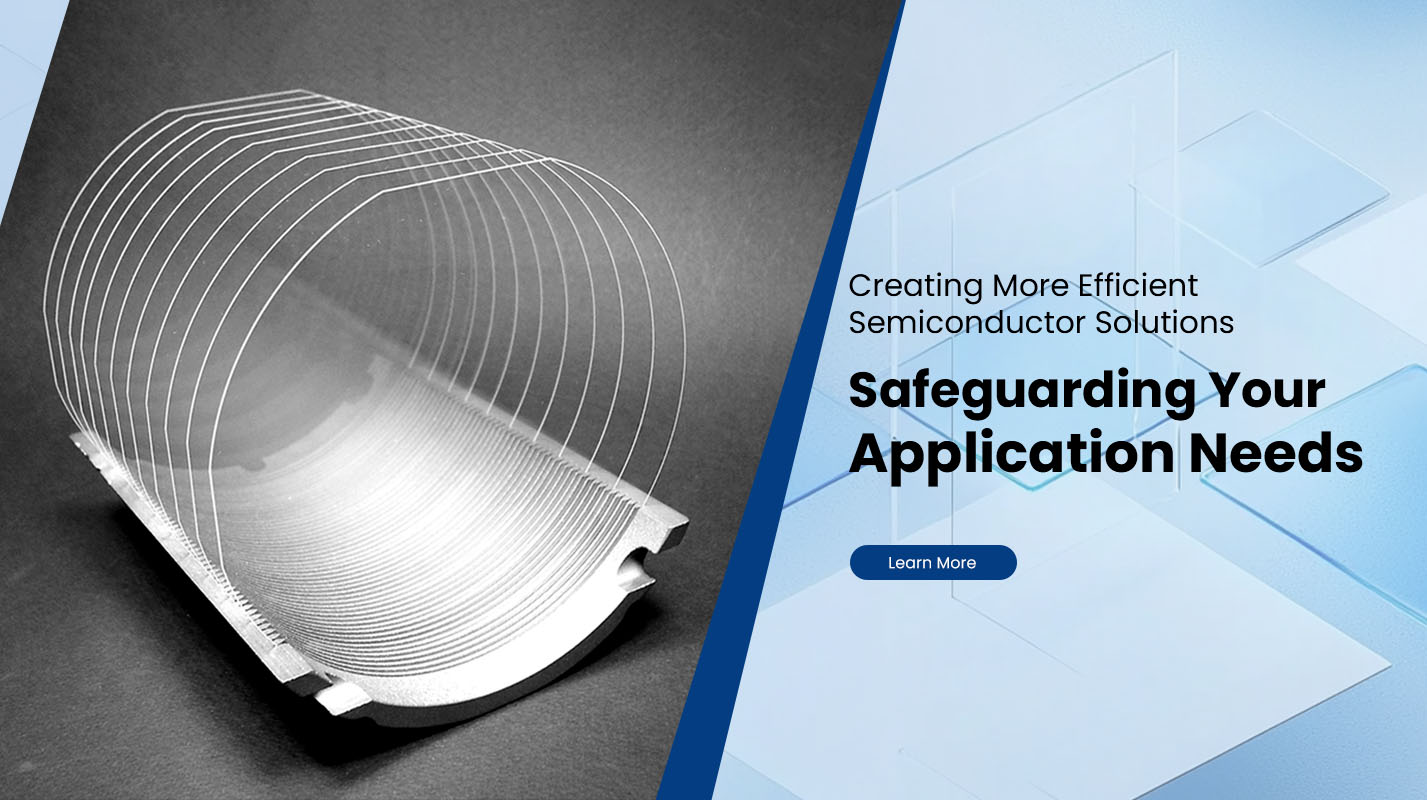
Your primary container must prevent wafer-to-wafer contact and keep edges supported during vibration. In semiconductor logistics, common options include single-wafer shippers, cake boxes, and cassette-based shipping boxes. PLUTOSEMI offers these packing formats as dedicated wafer packing products, designed for multiple sizes and shipment needs.
| Packing option | Best for | Core protection logic | Typical pitfalls to avoid |
|---|---|---|---|
| Single wafer shipper | Prototypes, samples, high-value singles | One wafer, fixed support, minimal movement | Over-tight clamping that stresses the edge |
| Cake box | Small sets and short internal moves | Wafer stack support with controlled spacing | Particles trapped during loading |
| Cassette box | Lot shipment and line-to-line logistics | Slot-based separation, stable orientation | Wrong slot size causing wafer wobble |
The key rule is simple: the wafer should only be constrained at safe contact points and should not be able to slide, rotate, or touch another wafer.
Control cleanliness during loading
Most transit defects start during packing, not during shipping. Use a consistent loading routine:
Pack in a controlled environment with clean tools and lint-free handling
Confirm the container is clean and dry before the wafer enters it
Keep loading time short to reduce airborne particle exposure
Handle wafers by the edge and avoid any touch near the active surface
For larger diameters, stabilize the cassette or shipper on a flat, non-shedding work surface so the slots do not flex while you insert wafers.
Use double-bagging and vacuum sealing to isolate the wafer
A robust approach is a double-layer bag strategy with vacuum packing:
Inner layer: dust barrier bag that keeps particles out during handling
Outer layer: barrier bag that limits exposure to air and humidity during logistics
Vacuum packing: reduces internal movement and helps maintain a stable micro-environment
This structure is especially useful when the route includes temperature and humidity swings, because it reduces the chance of moisture-related marks or corrosion risk on sensitive surfaces.
Add ESD control without contaminating the surface
Electrostatic discharge can damage thin films, devices, or cause particle attraction. Use antistatic packing materials where appropriate, but avoid materials that shed or outgas. Practical checks:
Use antistatic outer bags or liners that do not shed
Ground personnel during loading
Keep plastics and tapes away from the wafer surface area
Do not add loose foam near the opening of the shipper or cassette
The safest ESD design is one where the wafer stays inside its primary container, and the container is then protected by ESD-aware secondary materials.
Engineer the secondary pack for shock and vibration
The outer carton is not just a box. It is a mechanical suspension system. Design it so drops and vibration do not transfer to the wafer slots:
Use a rigid outer carton with edge crush strength suitable for stacking
Add shock-absorbing inserts that hold the wafer container tightly
Prevent vertical bounce by controlling top clearance
Prevent side impact by keeping equal cushioning on all sides
Seal the carton to prevent dust ingress during transit
If you ship multiple wafer containers in one carton, separate them with dividers so they cannot collide.
Label for traceability and faster receiving
Clear labeling reduces mishandling and prevents mix-ups. At minimum, align labels across three levels: primary container, bag layer, and outer carton. Include:
Part number, wafer diameter, orientation details if required
Lot and piece count
Fragile handling marks and orientation arrows
Cleanliness or handling notes needed for incoming inspection
For project buyer workflows and OEM/ODM supply chains, consistent labeling is often the difference between quick acceptance and long hold times at receiving.
Receiving checklist that prevents disputes
Include a simple receiving guide inside the document pouch or as a QR-free printed sheet:
Inspect carton damage before opening
Verify labels match the purchase documents
Open in a clean area and inspect bag integrity
Check container locks and slot stability
Record any abnormalities immediately with photos and lot identifiers
This short checklist protects both sides and speeds up claims resolution if a carrier incident occurs.
Why manufacturers choose PLUTOSEMI for wafer packing support
A safe pack plan works best when the wafer supplier can align wafer type, container choice, and shipment method in one workflow. PLUTOSEMI provides silicon wafer packing formats such as single-wafer shippers, cake boxes, and cassette boxes, with selectable sizes and practical packing structures that support stable transport. Combined with manufacturer-side process control and configurable packing details, this helps you reduce transit damage, maintain cleaner handling, and keep delivery quality consistent across repeat orders.
Final packing sequence you can standardize
Verify wafer ID, count, and outgoing inspection status
Load wafers into the correct primary container with stable edge support
Apply double-bag protection and vacuum sealing
Fix the container in shock-absorbing inserts inside a rigid outer carton
Label at all levels and include receiving checklist documentation
If you standardize this sequence, you will see fewer chips and scratches, faster receiving, and more predictable downstream yields.
Previous: What Is SOI Wafer Technology?