

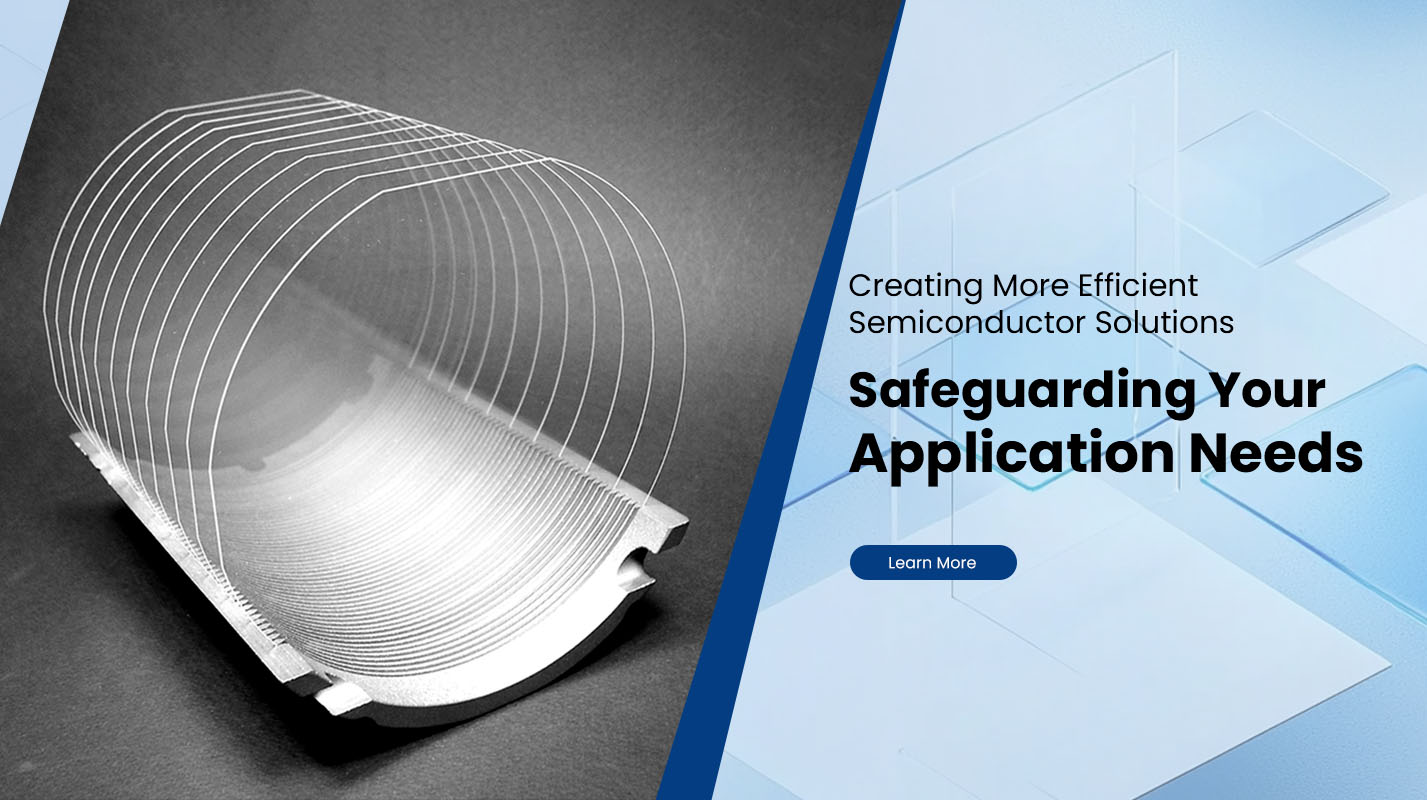
How Thin Can Silicon Wafers Be?
Thin Silicon Wafers can be produced in many thickness ranges, but the right answer depends on wafer diameter, process route, handling method, polishing requirement, and final device use. For standard semiconductor processing, silicon wafers are often kept thick enough for mechanical stability. For advanced packaging, MEMS, sensors, power devices, and research applications, customers may need a custom thin silicon wafer with much lower thickness.
Published wafer specification references commonly list standard silicon wafer thickness at about 280 μm for 2 inch, 380 μm for 3 inch, 525 μm for 4 inch, 675 μm for 6 inch, and 725 μm for 8 inch wafers. These values are not the only available options, but they show why diameter and thickness must always be confirmed together before procurement.
Why Wafer Thickness Matters
Silicon wafer thickness affects mechanical strength, process stability, heat dissipation, electrical performance, and compatibility with downstream equipment. A wafer that is too thick may not fit a specific device design. A wafer that is too thin may crack, warp, or become difficult to handle during cleaning, coating, bonding, dicing, or packaging.
For production planning, thickness should not be treated as a single number. Buyers should also check TTV, bow, warp, surface finish, edge quality, carrier support, and packaging method. A thin wafer supplier for production must be able to control both thickness and the related geometry data.
Common Thin Wafer Ranges
Ultra Thin Silicon Wafer requirements vary by application. Some industry references describe ultra-thin wafers below 100 μm, and in some advanced applications below 50 μm. These thinner formats are used in fan-out packaging, 3D integration, power devices, and heterogeneous systems, but they also create higher mechanical risk during handling.
| Thickness Range | Common Use Direction | Procurement Focus |
|---|---|---|
| 500 μm to 775 μm | Standard wafer processing | Stable handling and standard tools |
| 200 μm to 500 μm | MEMS, sensors, test wafers | TTV and bow control |
| 100 μm to 200 μm | Thin device substrates | Handling and edge protection |
| 50 μm to 100 μm | Advanced packaging and power devices | Carrier support and breakage control |
| Below 50 μm | Special process development | Custom handling plan required |
Why Ultra Thin Wafers Are Harder To Control
As wafers become thinner, they become more flexible and more fragile. Below 100 μm, wafer handling becomes much more sensitive because the wafer can bend under its own weight or during vacuum pickup. One technical wafer handling reference notes that thin wafers below 100 μm require specialized tools to prevent breakage during movement.
This is why a custom thin silicon wafer should be evaluated as a process package, not only as a material order. The supplier and customer need to confirm whether the wafer will be shipped as a free-standing wafer, bonded to a carrier, packed in a special shipper, or used only for research testing.
TTV, Bow, And Warp Become More Important
Thin wafers are more sensitive to geometry variation. Even small thickness differences can affect bonding uniformity, lithography focus, dicing performance, and device yield. TTV means the difference between the thickest and thinnest area of the wafer, while bow and warp describe wafer shape deviation. These values become more important as thickness decreases.
For advanced 3D-IC processing, technical metrology papers note that thickness uniformity and warp must be tightly controlled when precision thinning is involved. This is also why sample approval should include actual inspection data, not only nominal thickness.
Application Determines The Practical Limit
A wafer can be made thin, but not every thin wafer is suitable for every process. MEMS may need controlled thickness for mechanical movement. Power devices may use thinner wafers to reduce electrical resistance or improve thermal performance. Advanced packaging may need thin wafers for stacking and interconnection. Research users may need very thin wafers for testing special structures.
Recent industry reporting also connects thin wafer processing with 3D-ICs and advanced packages, where shorter signal paths and lower power requirements drive the move toward thinner wafer structures.
What Buyers Should Confirm Before Ordering
Before purchasing an ultra thin silicon wafer, customers should prepare a clear technical specification. This helps reduce sampling errors and avoids unnecessary breakage after delivery.
Key details include:
Wafer diameter
Target thickness
Thickness tolerance
TTV requirement
Bow and warp limits
SSP or DSP polishing
Dopant type and resistivity
Edge finish requirement
Cleaning grade
Packaging method
Carrier wafer requirement
For repeat supply, the same bulk silicon wafer specification should be used across sampling, trial production, and regular orders. This helps keep process data consistent and reduces unexpected changes between batches.
How Plutosemi Supports Thin Silicon Wafer Supply
Plutosemi supplies silicon wafers in different specifications and supports custom wafer requirements for semiconductor, MEMS, power electronics, optical, and research applications. Our team can review thickness, polishing, resistivity, surface finish, geometry tolerance, and packaging needs before production.
For customers looking for a thin wafer supplier for production, the goal is not only to buy thinner material. The real goal is to receive wafers that can survive shipping, fit downstream tools, and support stable processing. Plutosemi can help customers move from sample evaluation to repeat procurement with clearer specification control and practical packaging support.
Final Thoughts
Silicon wafers can be thinned from standard thickness levels into the 100 μm, 50 μm, or even lower range for special applications. The thinner the wafer becomes, the more important TTV, bow, warp, edge finish, handling, and packaging become. A successful ultra thin silicon wafer order should begin with the device process, not only with a thickness number. Clear specifications and supplier-side process control help reduce breakage risk while keeping wafer performance stable.