

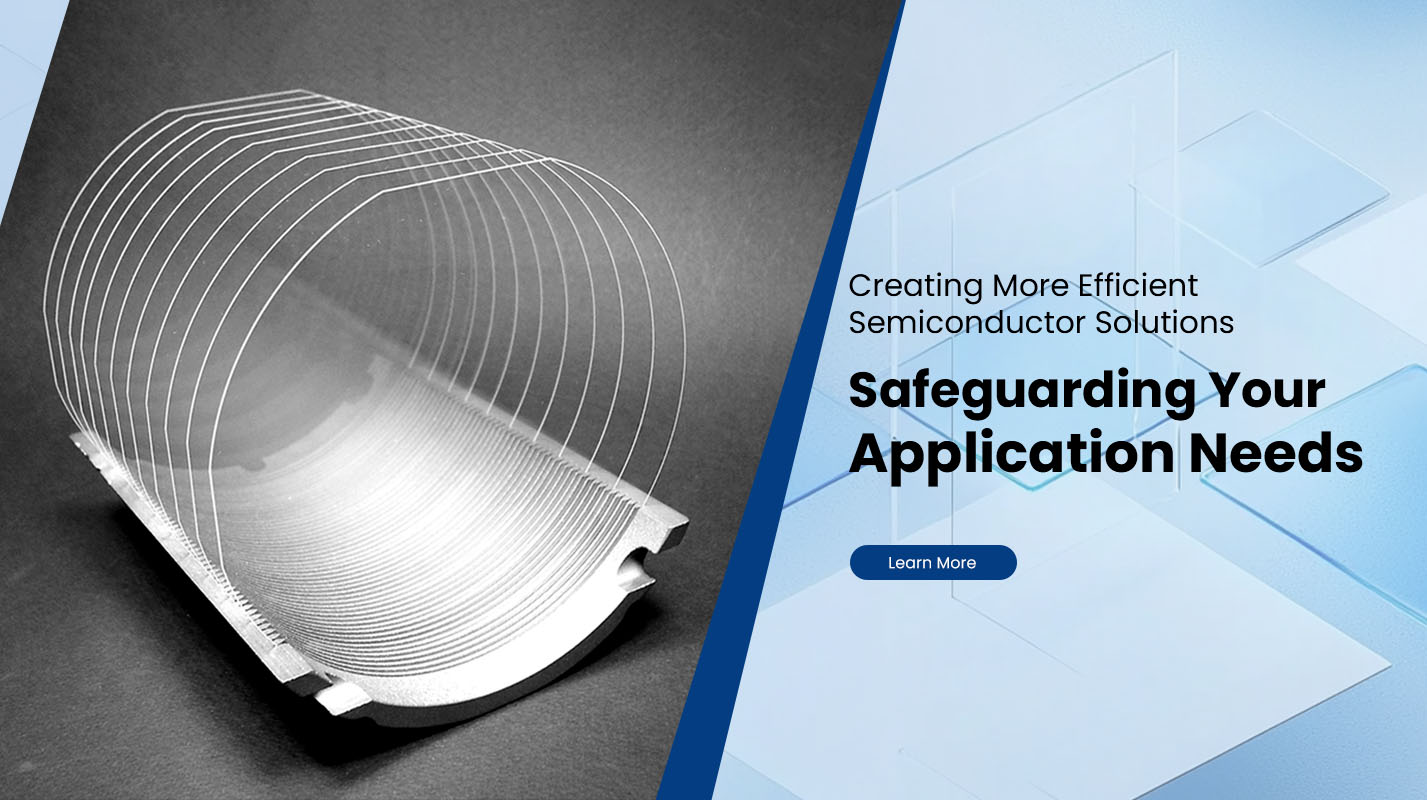
When Use N Type Silicon Wafers?
N type Silicon Wafers are used when a device structure needs electron-based conductivity, controlled resistivity, stable leakage behavior, and compatibility with later diffusion, oxidation, epitaxy, or ion implantation steps. Compared with a general silicon substrate order, the key question is not only whether the wafer is N type. The real question is whether the dopant, resistivity range, crystal orientation, surface finish, and geometry match the process window of the final device. SEMI M1 also shows why standardized wafer dimensions and properties are important for common processing equipment and semiconductor fabrication consistency.
Where N Type Wafers Fit Better
N type wafers are often selected for power devices, sensors, photodiodes, MEMS structures, RF components, and research processes where electron mobility, junction design, or resistivity control matters. When a project involves high-voltage behavior, reverse leakage control, or sensitive signal response, the wafer cannot be chosen only by diameter. Conductivity type and dopant selection directly affect device design.
| Selection Factor | Why It Matters |
|---|---|
| Dopant type | Phosphorus, arsenic, or antimony can support different electrical targets |
| Resistivity range | Affects leakage, breakdown, signal response, and device uniformity |
| Orientation | Common options such as 100 or 111 influence process behavior |
| Surface finish | SSP, DSP, polished, etched, or ground surfaces affect downstream use |
| Thickness and TTV | Geometry stability helps lithography, bonding, and thinning steps |
For many n type wafer applications, resistivity control is more important than choosing the lowest price. Two wafers may both be called N type, but one may support a sensor process while another may be better for power device evaluation. That is why procurement drawings should include conductivity type, dopant, resistivity, thickness tolerance, TTV, bow, warp, and surface roughness.
Device Grade Requirements Are More Detailed
Device grade wafers usually require tighter control than simple test substrates. Surface particles, flatness, edge condition, and batch consistency all influence whether the wafer can move smoothly through production. SEMI reported that worldwide silicon wafer shipments increased 5.8% in 2025 to 12,973 million square inches, showing that wafer demand continues to grow with advanced logic, memory, and AI-related applications. This also increases the need for more stable wafer specification management.
A n type silicon wafer used for device development should not be specified with only diameter and thickness. It should also include dopant type, resistivity tolerance, orientation, polish side, notch or flat standard, packaging cleanliness, and inspection method. These details reduce the risk of mismatch after wafers enter oxidation, deposition, etching, or electrical testing.
Manufacturing Control From Crystal To Packing
Reliable wafer manufacturing starts from crystal growth and continues through slicing, lapping, polishing, cleaning, inspection, and packaging. Plutosemi lists silicon wafer options including mirror polished wafers, ultra-flat wafers, ultra-thin wafers, Float Zone Wafers, low resistance wafers, P type wafers, NTD wafers, thermal oxide wafers, and dummy wafers, which supports different process routes within one material range.
For N type orders, we normally review the application first. A wafer for laboratory trials may allow a wider tolerance, while a wafer for device process validation needs stronger control over resistivity, particles, TTV, and surface condition. This helps customers avoid ordering a technically correct wafer that is still unsuitable for the actual process.
When Float Zone Or NTD May Be Considered
Some applications require high resistivity, low oxygen content, or stronger electrical uniformity. float zone wafers are often used where high purity and high resistivity are needed. Plutosemi lists Float Zone wafer specifications covering diameters from 2 inches to 12 inches, resistivity options above 5,000 ohm-cm, 10,000 ohm-cm, and 20,000 ohm-cm, as well as prime grade support.
ntd silicon wafers may be considered when uniform doping is important. Plutosemi describes NTD as a process that uses neutron transmutation to form N-type semiconductor characteristics, with available diameters from 2 inches to 12 inches and resistivity above 100 ohm-cm.
Practical Ordering Advice
Procurement should start with the device route rather than only the wafer name. Send the target use, diameter, thickness, orientation, dopant, resistivity, polish type, TTV, bow, warp, particle requirement, and packaging requirement before quotation. This allows our engineering and sales team to confirm whether a standard wafer is enough or whether a custom route is needed.
Technical alignment is especially important when selecting a device grade wafer supplier. The supplier should understand both the material parameters and the risks created by incomplete drawings. For repeated orders, the same specification sheet and inspection method should be maintained to reduce process variation between batches.
Summary
N type wafers are suitable when electron-based conductivity, resistivity control, and stable device behavior are required. The right choice depends on application, dopant, resistivity, orientation, surface finish, geometry, and inspection control. Plutosemi supports customized silicon wafer supply across standard and advanced specifications, helping customers match wafer selection with real process requirements.