
Why Use Dummy Silicon Wafers?
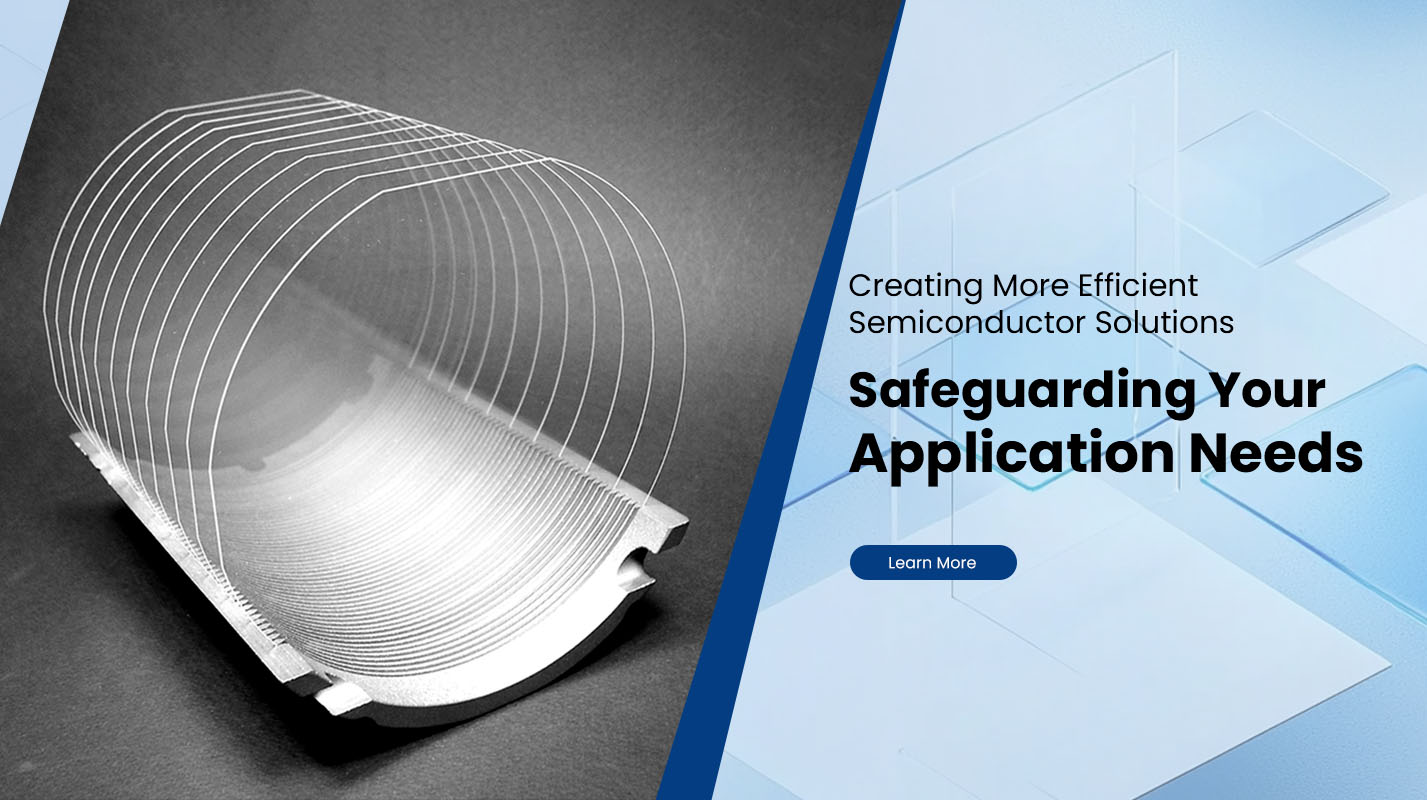
Dummy Silicon Wafers are used to protect production wafers, stabilize equipment conditions, test process recipes, and reduce the cost of trial runs. They are not final device wafers, but they play an important role in semiconductor manufacturing, laboratory testing, equipment calibration, cleaning cycles, oxidation, deposition, lithography setup, and handling verification. A reliable dummy silicon wafer supplier should understand that dummy wafers still need controlled dimensions, surface finish, edge condition, and packing quality.
Main Reasons To Use Dummy Wafers
| Reason | Practical Value |
|---|---|
| Equipment setup | Confirms loading, transfer, chucking, and handling stability |
| Process calibration | Supports recipe checking before prime wafers are used |
| Chamber conditioning | Helps stabilize deposition, oxidation, or etching environments |
| Training and handling | Reduces the risk of damaging high-value wafers |
| Cost control | Lowers material loss during non-device process steps |
Plutosemi describes dummy wafers as non-functional silicon wafers used to test and calibrate semiconductor production equipment. The same page states that they help improve production efficiency while reducing cost risk during process optimization.
Dummy Does Not Mean Uncontrolled
Some buyers treat dummy wafers as simple consumables, but poor dummy wafer quality can still create equipment or process problems. If the thickness varies too much, the wafer may not sit correctly on the chuck. If the edge quality is poor, breakage risk increases. If the surface has uncontrolled particles, it can contaminate tools during process setup.
For this reason, test grade silicon wafers should still be selected with clear specifications. Diameter, thickness tolerance, notch type, polish side, backside treatment, flatness, and packaging should match the intended tool environment. A dummy wafer used for handling tests may not need the same surface quality as a wafer used for deposition process conditioning.
Standard Sizes And Surface Options
Plutosemi states that it can provide dummy wafers from 2 inches to 12 inches. Its published dummy wafer specifications include 150 mm, 200 mm, and 300 mm options, P or N type, SEMI or JEIDA notch options, and thickness examples including 675 ±25 μm, 725 ±25 μm, and 775 ±25 μm. Frontside polished and backside etched options are also listed.
This matters because equipment compatibility depends on mechanical consistency. A 200 mm wafer used in automated loading must match the cassette, robot arm, aligner, and chucking system. Small differences in notch, thickness, or edge profile may create handling interruptions.
Where Dummy Wafers Are Used
Dummy wafers are useful across many process stages. During oxidation, they may help fill furnace positions or stabilize thermal behavior. During deposition, they may support chamber conditioning. During lithography setup, they help verify spin coating, exposure alignment, and handling before prime substrates enter the process. During cleaning or tool maintenance, they help evaluate whether the process flow is safe for the next production batch.
Procurement should separate dummy wafer use into categories. Mechanical dummy wafers focus on handling and equipment movement. Process dummy wafers focus on thermal, coating, etching, or deposition behavior. Inspection dummy wafers may require cleaner surfaces because they are used to check particles or process results.
Bulk Supply Requires Batch Planning
A dummy wafer bulk supply order should be planned around monthly usage, tool schedule, process route, and storage conditions. Dummy wafers are often consumed repeatedly, so supply stability matters more than a one-time low price. If the wafer changes between batches, equipment setup and recipe comparison may become less reliable.
Batch records should include wafer size, type, thickness, surface treatment, notch or flat, packaging type, and inspection level. This makes future replenishment easier and helps engineering teams compare results when process behavior changes.
How We Support Practical Dummy Wafer Orders
Plutosemi’s wafer range includes dummy wafers, Mirror Polished Silicon Wafers, ultra-flat wafers, ultra-thin wafers, Float Zone Wafers, thermal oxide wafers, and other semiconductor materials. This wider selection helps customers keep dummy wafer selection close to the final production wafer structure when needed.
For example, a customer using polished device wafers may choose polished dummy wafers for lithography or coating setup. A customer testing loading behavior may choose a more economical dummy wafer with suitable mechanical control. The best selection depends on the tool and the risk of the process step.
Ordering Checklist
Before placing an order, confirm wafer diameter, thickness, thickness tolerance, surface finish, backside condition, notch or flat type, edge requirement, quantity, packing method, and whether the wafers will contact a clean process chamber. For repeated purchasing, keep one approved specification sheet rather than changing parameters between orders.
Summary
Dummy wafers help reduce risk in tool setup, process testing, chamber conditioning, and operator training. They may not carry final device structures, but their dimensional consistency and surface condition still affect production stability. Plutosemi can support dummy wafer orders in different sizes, surface finishes, and quantity plans for repeated semiconductor process use.