
What Are the Advantages of Sapphire Substrates?
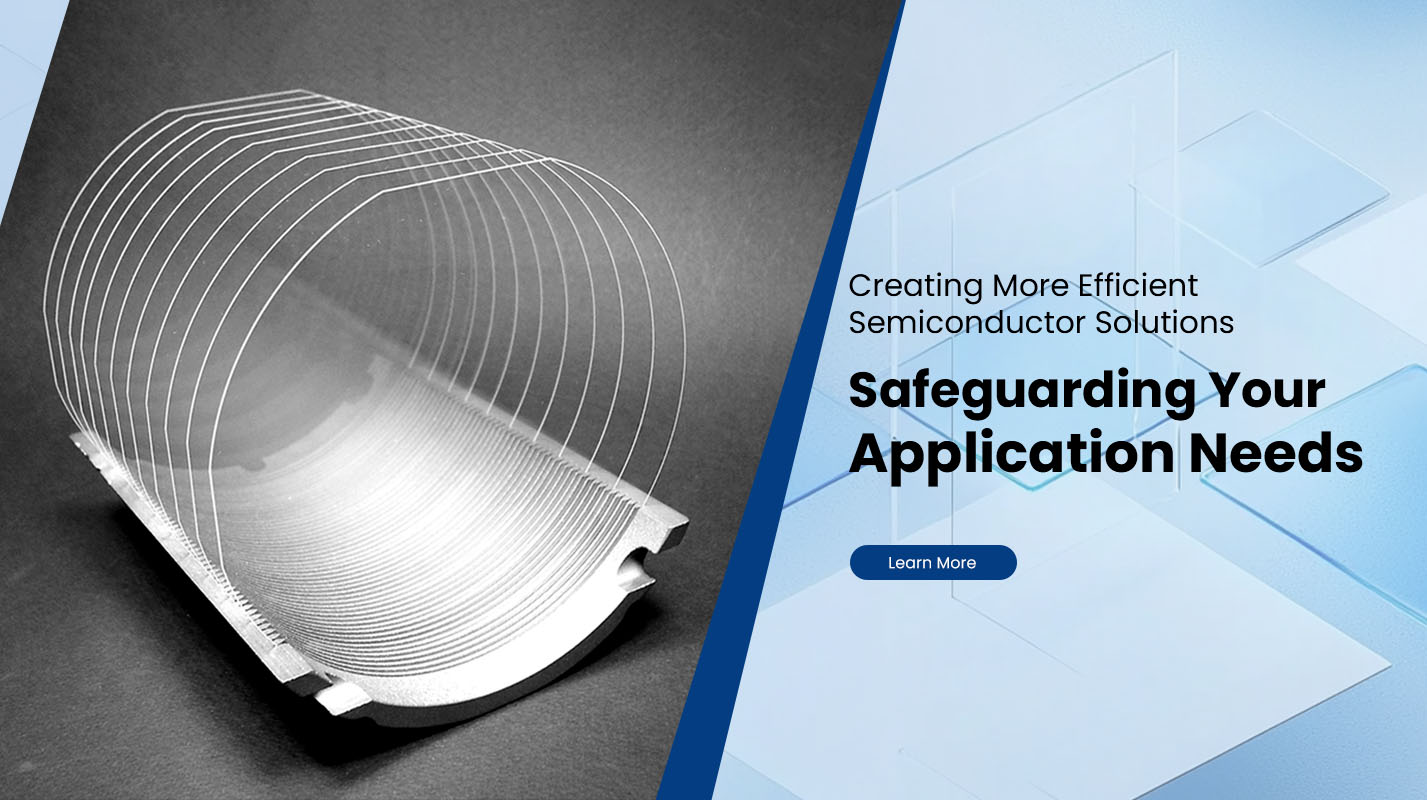
Sapphire substrates, specifically single-crystal aluminium oxide (Al₂O₃) in wafer form, have become an indispensable material in advanced electronics, optoelectronics, and high-end optical components. Derived from the gemstone sapphire but grown in ultra-high-purity form, these substrates deliver a unique combination of optical transparency, electrical insulation, thermal performance, and mechanical robustness. This article explores the key advantages of sapphire substrates, illustrates how they enhance device performance, and offers insight into manufacturers and procurement. For high-quality sapphire substrate solutions, you may consider the offerings of Plutosemi Technologies which provides advanced wafers and tailored services for demanding applications.
Mechanical and chemical robustness
Sapphire substrates are notable for their exceptional durability. According to material data, single-crystal sapphire exhibits:
Mohs hardness of 9, making it second only to diamond among common materials.
High strength, high rigidity and excellent anti-abrasion performance.
Outstanding chemical resistance, including tolerance to acids and alkalis, enabling use under aggressive processing or operating conditions.
Good thermal stability and anti-heat behavior, permitting use in elevated temperature or harsh environments.
These properties make sapphire substrates highly reliable in applications where mechanical wear, scratching, corrosive media or high-temperature cycles are involved. Devices built on or incorporating sapphire substrates therefore enjoy longer life, fewer mechanical failures and improved system reliability.
Optical transparency over wide wavelength range
One of the key strengths of sapphire is its optical performance: it is transparent across a broad spectral range, from deep ultraviolet (UV) through visible to infrared (IR). For example:
As noted by an optics supplier: sapphire substrates are ideal for UV (above ~200 nm) and infrared (below ~5 µm) transmissions.
Kyocera’s material sheet highlights sapphire’s excellent light transmission in near-ultraviolet to infrared, and that it is used for optical windows, sensors, instrument components.
Because of this wide transparency, sapphire substrates are widely used for optical devices, LEDs, sensor windows, transparent layers and high-power optical systems. The minimal absorption and high clarity ensure that optical performance is maximised, making sapphire an industry-preferred substrate when optical integrity matters.
Electrical insulation and low dielectric loss
In the semiconductor and RF/microwave fields, sapphire substrates offer significant electrical advantages:
As a single-crystal aluminium oxide, sapphire has strong insulating behaviour and very low dielectric loss, minimising parasitic leakage or unwanted coupling.
Because of its insulation, sapphire supports high-voltage, high-frequency or high-isolation device configurations such as RF front-ends, microwave circuits and GaN-based devices.
The use of sapphire in “silicon-on-sapphire” (SOS) technology further shows how its insulating character enables high-performance electronics with reduced interference.
These electrical characteristics make sapphire substrates extremely valuable for applications demanding high isolation, minimal dielectric loss, and stable device behaviour at high frequencies or voltages.
Thermal performance and heat dissipation
Another advantage of sapphire substrates lies in thermal management:
Sapphire exhibits good thermal conductivity (especially relative to many optical glasses) and maintains structural stability at elevated temperatures.
The substrate can sustain harsh thermal cycling without significant degradation, making it suitable for high-power devices or systems that must operate reliably over a wide temperature range.
In devices like high-brightness LEDs, GaN power transistors and sensors, thermal performance of the substrate is critical to reliability and efficiency; sapphire performs well in those roles.
By helping maintain temperature stability and avoid thermal-induced failures, sapphire substrates yield more consistent device performance and enhanced lifespan.
Crystal lattice compatibility and device yield
For epitaxial growth of compound semiconductors such as gallium nitride (GaN), sapphire substrates provide additional benefits:
The hexagonal crystal structure of sapphire is relatively well-matched to the wurtzite structure of GaN; this fosters better epitaxial quality, fewer defects and higher yields.
Patterned sapphire substrates (PSS) further improve light extraction, reduce defect densities, increase luminous efficiency in LED devices.
The established manufacturing ecosystem for Sapphire Wafers (various diameters, wafer preparations) supports scalable production and cost-effectiveness.
In sum, using sapphire substrates enables device manufacturers to achieve higher performance, better quality control and more predictable yields in demanding epitaxial or opto-electronic processes.
Cost-effectiveness and supply chain readiness
While sapphire is a premium material, it benefits from mature manufacturing processes:
The technology for growing large sapphire crystals (boules) and slicing them into wafers is well established, reducing risk for high-volume production.
Compared with some exotic alternatives, sapphire offers a proven balance of performance and cost.
For many LED, sensor and substrate applications, sapphire remains the preferred choice because of this balance of performance, reliability and commercial availability.
Thus, sapphire substrates can deliver premium performance without the extreme cost of the highest end exotic substrates, making them attractive for a wide range of applications.
Summary of advantages
| Advantage Category | Key Benefits |
|---|---|
| Mechanical & chemical robustness | High hardness, wear resistance, chemical stability, high temperature tolerance |
| Optical transparency | Broad spectral transparency (UV to mid-IR), high clarity, low optical losses |
| Electrical insulation | Very low dielectric loss, strong isolation, suitable for RF/microwave/high-voltage devices |
| Thermal/heat performance | Good thermal conductivity, thermal stability, supports high-power/high-temperature operation |
| Epitaxial/device compatibility | Crystal structure match, high yield, patterned sapphire support |
| Cost & supply readiness | Mature wafer manufacturing, scalable production, balanced cost vs performance |
Application examples
High-brightness LED manufacture: sapphire serves as the substrate for GaN epi-growth, including patterned sapphire variants for improved efficiency.
RF/microwave circuits: sapphire supports high isolation and minimal parasitic losses, enabling high-frequency device performance.
Optical windows, sensor covers and wear-resistant transparent components: owing to its hardness and transparency, sapphire is ideal for camera covers, watch crystals, and harsh-environment optics.
Quantum electronics and superconducting devices: recent research demonstrates that sapphire substrates support ultra-low-loss dielectric environments required for coherent quantum circuits.
Choosing a sapphire substrate supplier
When selecting a sapphire substrate supplier, key considerations include: wafer diameter, surface finish, crystal orientation (C-plane, A-plane, etc.), defect density, and supplier track record. A reliable vendor will offer detailed specifications, quality control, and tailored service to match your device requirements.
In this regard, Plutosemi Technologies (referenced at www.plutosemitech.com) is worth considering. They provide high-quality sapphire substrates, advanced processing capabilities and responsive support for customers in demanding fields. Their expertise and service infrastructure make them a strong partner for manufacturers seeking reliable substrate supply.
Conclusion
In conclusion, sapphire substrates stand out as a high-performance foundation material for advanced electronics, optoelectronics and precision optics. Their combination of mechanical strength, optical transparency, electrical insulation, thermal stability and device compatibility offer a compelling value proposition. Whether building high-brightness LEDs, RF modules, precision sensors or transparent optical components, sapphire remains a top choice. By partnering with a capable supplier like Plutosemi Technologies and aligning substrate specifications to your application needs, you can tap into these advantages and drive stronger product performance, higher yield and longer device lifetime.