
What Materials Are Used for Glass Wafers?
Glass Wafers are increasingly used in semiconductor packaging, MEMS, optical components, and advanced electronic applications. Compared with traditional Silicon Wafers, glass wafers offer unique advantages in electrical insulation, thermal stability, and surface flatness. Understanding the materials used for glass wafers helps engineers, buyers, and designers select the right substrate for performance, reliability, and cost efficiency.
Overview of Glass Wafers in Advanced Manufacturing
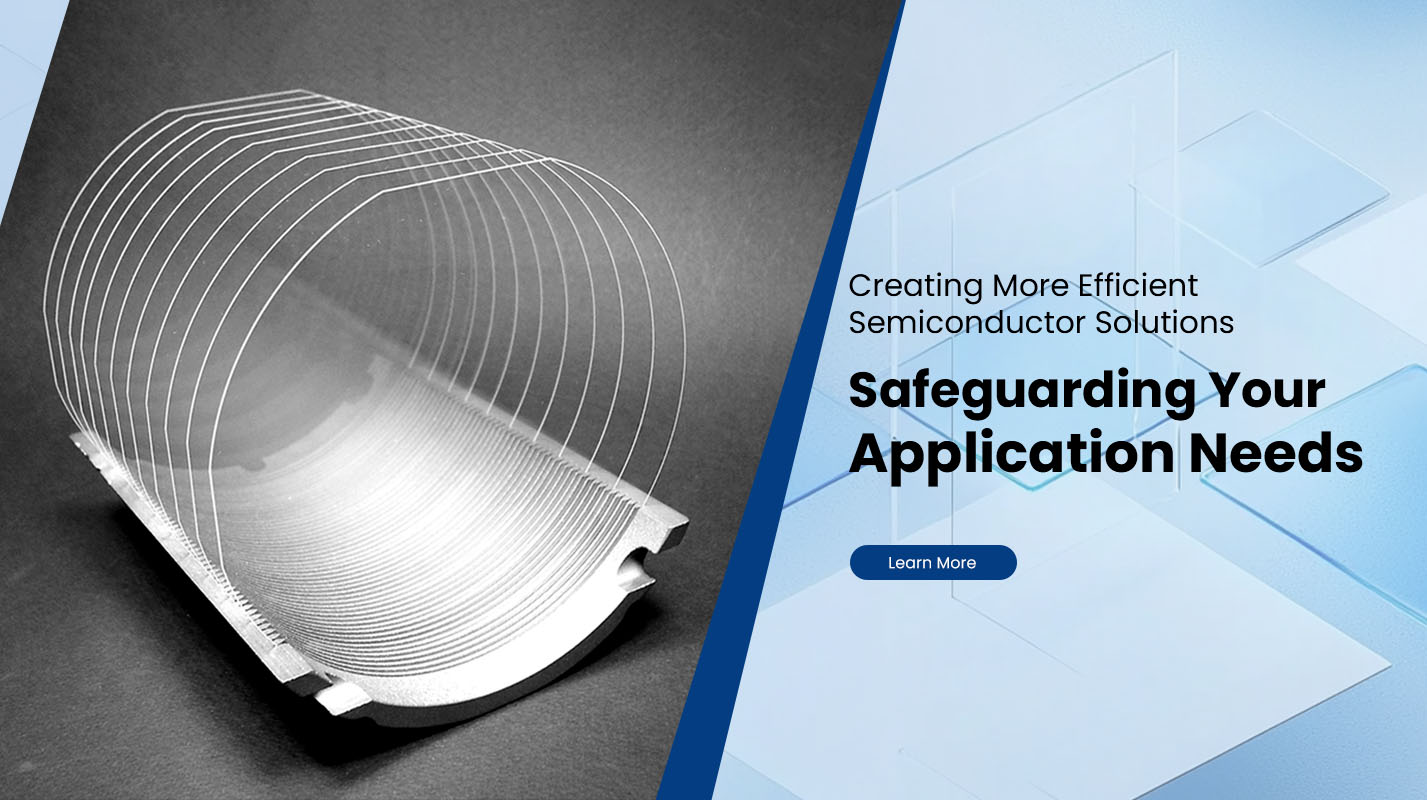
A glass wafer is a thin, precisely processed glass substrate manufactured with tight thickness tolerance, high surface quality, and excellent dimensional stability. These wafers serve as carriers, interposers, or functional layers in microelectronics, sensors, and optical systems. The performance of a glass wafer is determined largely by the base glass material and its chemical composition.
Different glass formulations are engineered to meet requirements such as low thermal expansion, high chemical resistance, or optical transparency.
Common Materials Used for Glass Wafers
Borosilicate Glass
Borosilicate glass is one of the most widely used materials for glass wafers. It is composed primarily of silica and boron oxide, giving it excellent thermal stability and resistance to chemical attack. This material performs well under temperature cycling and is commonly used in MEMS devices and wafer-level packaging.
Its relatively low coefficient of thermal expansion helps reduce stress when bonded with silicon or metal layers, making it suitable for hybrid integration.
Aluminosilicate Glass
Aluminosilicate glass incorporates aluminum oxide into the silica-based structure. This modification improves mechanical strength, hardness, and thermal resistance. Aluminosilicate glass wafers are often selected for applications requiring higher durability and better resistance to deformation during processing.
These wafers are suitable for high-density interposers, advanced substrates, and environments where mechanical reliability is critical.
Fused Silica and Quartz Glass
Fused silica and quartz glass wafers are produced from high-purity silicon dioxide. They offer extremely low thermal expansion, excellent optical clarity, and high resistance to thermal shock. These materials are ideal for optical devices, photonics, and precision instrumentation.
Due to their purity and performance, fused silica wafers are often used in demanding applications where dimensional stability and optical transmission are essential.
Soda-Lime Glass
Soda-lime glass is a cost-effective option used in less demanding applications. It contains silica, sodium oxide, and calcium oxide. While it offers good transparency and ease of processing, its thermal and chemical resistance are lower compared to borosilicate or aluminosilicate glass.
Soda-lime glass wafers are typically used in display-related or low-temperature processes where cost control is a priority.
Comparison of Common Glass Wafer Materials
| Glass Material | Thermal Stability | Mechanical Strength | Chemical Resistance | Typical Applications |
|---|---|---|---|---|
| Borosilicate Glass | High | Medium | High | MEMS, packaging |
| Aluminosilicate Glass | Very High | High | High | Interposers, carriers |
| Fused Silica / Quartz | Extremely High | Medium | Very High | Optics, photonics |
| Soda-Lime Glass | Moderate | Low | Moderate | Displays, low-cost |
Material Selection Factors for Glass Wafers
When choosing a glass wafer material, manufacturers evaluate several critical factors. Thermal expansion compatibility is essential when bonding glass to silicon or metal layers. Surface quality and flatness influence lithography accuracy and yield. Chemical durability affects long-term reliability during etching, cleaning, and packaging processes.
Electrical insulation properties and optical performance may also determine whether a glass wafer is suitable for a specific application.
Custom Glass Wafer Solutions for Semiconductor Applications
Modern semiconductor processes often require customized glass compositions, thickness ranges, and surface finishes. Specialized manufacturers provide glass wafers with tight dimensional control, advanced polishing, and tailored material properties to meet evolving industry demands.
Companies such as Plutosemi focus on delivering high-quality glass wafer solutions for semiconductor and microelectronic applications, supporting precise processing requirements and consistent performance across advanced production lines.
Conclusion
Glass wafers are manufactured from carefully engineered materials such as borosilicate glass, aluminosilicate glass, fused silica, and soda-lime glass. Each material offers distinct advantages in thermal behavior, strength, and chemical resistance. Selecting the right glass wafer material plays a key role in device performance, reliability, and manufacturing efficiency, especially in advanced semiconductor and electronic applications.