
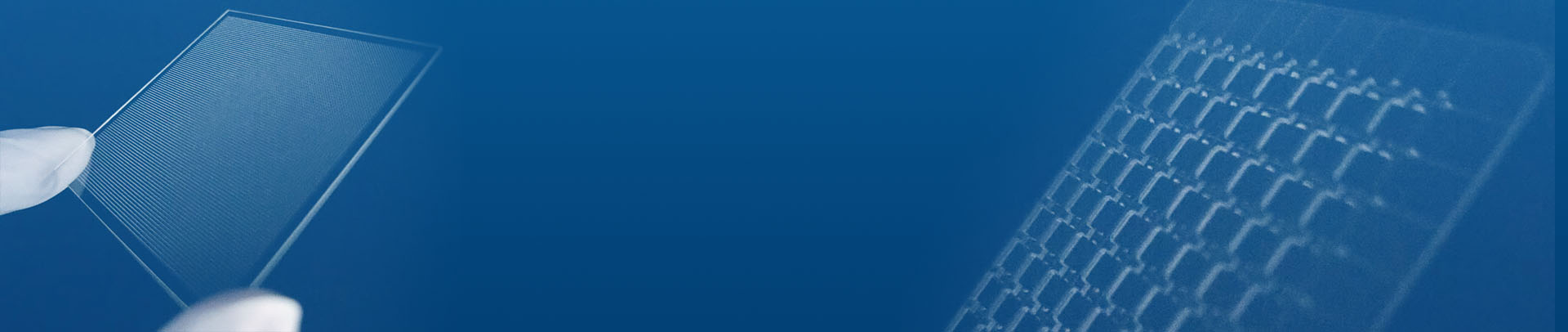
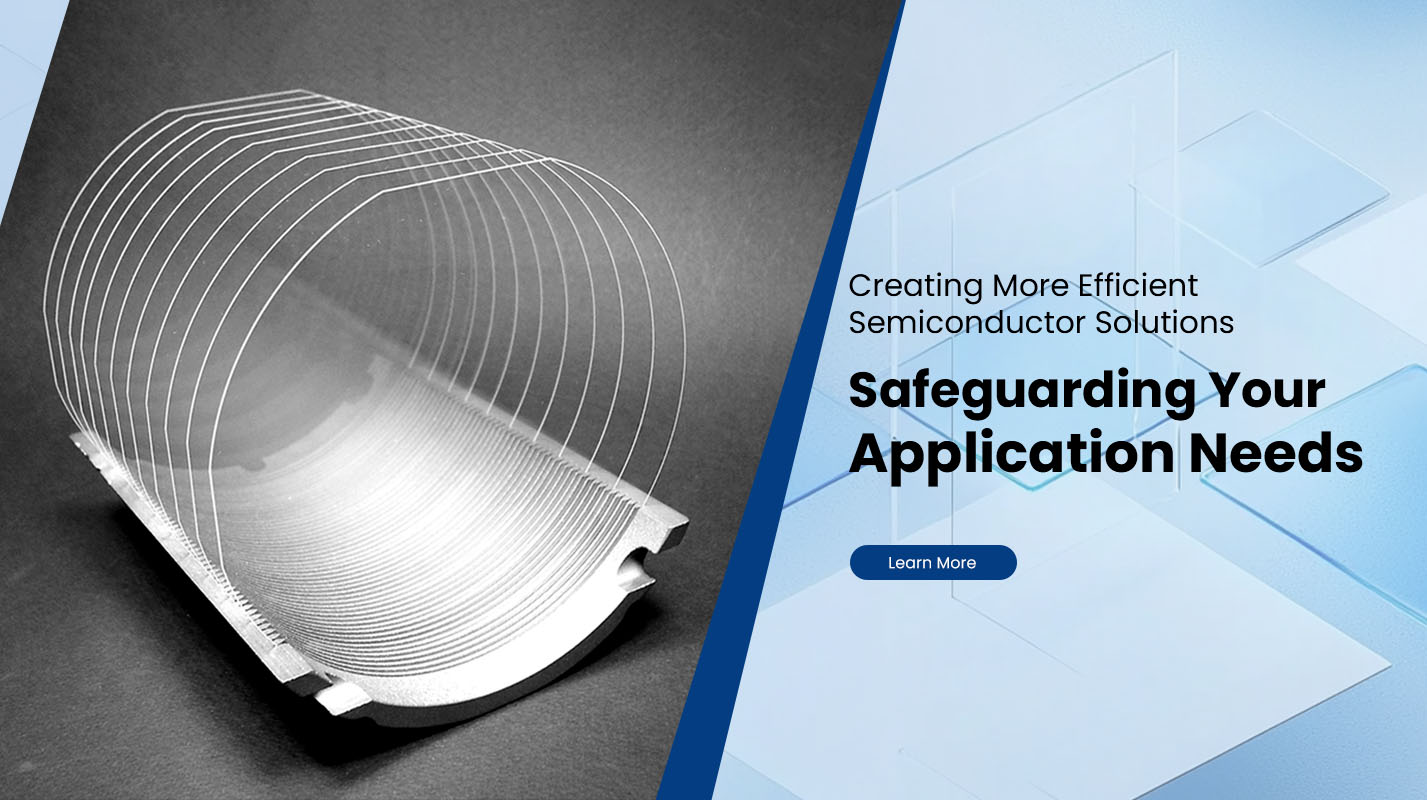
UV fused silica wafer is a high-purity, amorphous silicon dioxide substrate engineered for ultraviolet optical transmission, dimensional stability, and low fluorescence. Unlike crystalline quartz, fused silica has no long-range crystal structure, giving it uniform optical behavior and low birefringence.
-
2026-08-21
-
2026-07-29Cleanliness is a fundamental requirement in semiconductor manufacturing because particles, metallic impurities, and organic contamination can reduce device yield and affect electrical performance. During wafer processing, microscopic contamination may interfere with lithography, oxidation, deposition, and etching processes. Effective silicon wafer contamination control ensures wafers maintain stable performance from manufacturing to final use.
-
2026-07-28Silicon wafer flatness is a critical parameter that affects processing accuracy, equipment compatibility, and final device performance. As semiconductor manufacturing moves toward smaller structures and higher integration levels, even minor surface variations can influence lithography, bonding, deposition, and inspection results.
-
2026-07-28Electrical properties are one of the most important characteristics of silicon wafers because they directly influence semiconductor device behavior. Among these properties, resistivity represents how strongly silicon material resists electrical current flow and is closely related to doping concentration and carrier mobility.
-
2026-07-27Sourcing custom semiconductor wafers requires more than selecting a material and size. The substrate must match the device process, testing environment, and manufacturing objectives. Engineers usually evaluate factors including wafer material, diameter, thickness, crystal orientation, electrical properties, surface condition, and delivery requirements.
-
2026-07-27Standard wafers can meet many common semiconductor requirements, but advanced research, prototype development, MEMS fabrication, and specialized electronic devices often require substrates with specific electrical, dimensional, or surface characteristics.
-
2026-07-26Sapphire crystal ingots are synthetic single crystals of alpha-aluminum oxide, Al₂O₃, grown as starting material for wafers and parts. Unlike polycrystalline alumina, each ingot has a continuous ordered lattice. The quality of sapphire crystal ingot material determines how much usable area remains after orientation, cutting, and polishing.
-
2026-07-26Modern sapphire wafer manufacturing requires crystal growth, orientation, coring, slicing, grinding, polishing, cleaning, and inspection. Each stage influences flatness, subsurface damage, crystal defects, and suitability for epitaxy, optics, sensors, or technical components.
-
2026-07-25Fused silica wafers begin with high-purity silicon dioxide and are produced through controlled melting or synthetic deposition. The route affects hydroxyl content, metallic impurities, ultraviolet transmission, homogeneity, and thermal behavior, so every fused silica wafer material is not identical.
-
2026-07-25Glass wafers are precision substrates used where electrical insulation, optical transmission, chemical resistance, or controlled thermal expansion matters more than conductivity. The correct glass wafer substrate material depends on process temperature, wavelength, bonding method, thickness tolerance, and surface finish.
-
2026-07-24Surface particles, pits, scratches, thickness variation, edge damage, and unstable resistivity can reduce process repeatability. Effective silicon wafer quality inspection therefore combines surface, geometry, crystal, and electrical checks.
-
2026-06-26Wafer shipping damage can be prevented by controlling wafer holding, surface isolation, vibration resistance, moisture protection, label traceability, carton structure, and handling instructions. Damage usually happens when fragile wafers move inside the package, contact hard surfaces, absorb contamination, or experience stacking pressure during transport.