

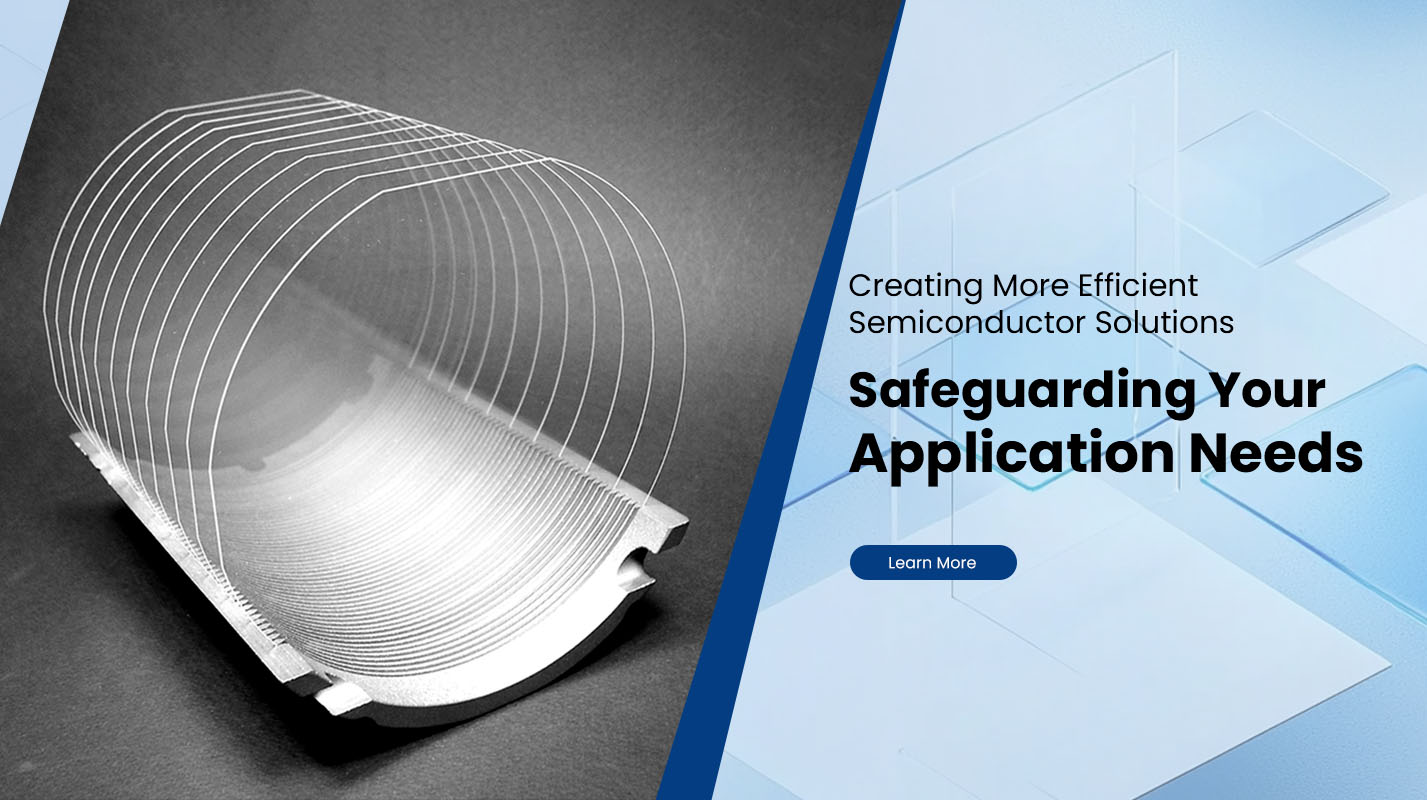
What Affects Glass Wafer Price?
Glass Wafer price is influenced by multiple manufacturing factors, including material quality, wafer dimensions, surface processing requirements, customization level, and order volume. Understanding these elements helps customers evaluate the actual value of a wafer solution instead of comparing price only by unit cost.
As a professional custom glass wafer supplier, Plutosemi focuses on providing glass wafers with stable material performance, precise processing capabilities, and flexible customization options for different applications. The final pricing structure is usually based on technical requirements and production conditions rather than a single fixed standard.
Which material properties affect glass wafer cost?
Raw material selection is one of the first elements that influences pricing. Different glass materials have different optical characteristics, thermal stability, chemical resistance, and processing difficulty. Higher requirements for transparency, flatness, or durability may require more advanced processing methods.
For applications requiring precise optical performance or semiconductor-related processes, the material grade must be carefully selected to maintain consistency during production. A reliable wafer supply chain starts with stable raw materials because material variation can directly affect yield and production efficiency.
The main material-related factors include:
Glass composition and purity level
Thermal expansion characteristics
Optical transmission requirements
Chemical durability
Thickness consistency
These factors determine not only the material cost but also the difficulty of subsequent manufacturing steps.
How do wafer specifications influence pricing?
Wafer specifications have a direct impact on production complexity. Larger wafer sizes generally require stricter equipment control, while thinner wafers demand higher precision during cutting, grinding, and polishing processes.
Surface quality is another important factor. A wafer with standard surface requirements may involve fewer processing steps, while applications requiring ultra-smooth surfaces, specific roughness levels, or customized coatings need additional manufacturing procedures.
| Specification Factor | Impact on Production |
|---|---|
| Wafer diameter | Larger sizes require more precise handling and equipment control |
| Thickness tolerance | Tighter tolerance increases machining requirements |
| Surface finish | Higher flatness and lower roughness require advanced polishing |
| Edge processing | Special edge profiles add additional processing steps |
| Custom shape | Non-standard designs require customized tooling |
For customers planning a glass wafer bulk order, confirming specifications at the early stage helps optimize production planning and avoid unnecessary cost increases caused by design changes.
Does customization increase glass wafer pricing?
Customization is often necessary for advanced applications, but it also affects the final cost structure. Standard wafers can usually be produced through established processes, while customized solutions may require additional engineering evaluation, process adjustment, and quality inspection.
Common customization requirements include:
Customized wafer dimensions according to device structure.
Specific thickness ranges for different assembly requirements.
Special surface treatments for improved performance.
Customized packaging solutions for transportation and storage.
A manufacturer with strong process integration can provide better cost control because multiple production stages can be managed under consistent quality standards.
How does order quantity affect glass wafer cost?
Production quantity plays an important role in pricing. Larger production volumes usually improve manufacturing efficiency because material preparation, equipment setup, and inspection procedures can be optimized across more units.
However, order quantity is not the only factor. A smaller quantity with highly customized specifications may require more engineering resources than a larger order using standard specifications.
The relationship between quantity and pricing can generally be understood as:
Higher volume → better production efficiency
Stable specifications → lower process adjustment cost
Long-term planning → improved material and capacity management
This is why discussing technical requirements before placing an order is essential for achieving a balanced solution between performance and cost.
What manufacturing processes affect glass wafer price?
The manufacturing process determines the precision level and consistency of the final wafer. Each process stage contributes to overall production costs, especially when tight specifications are required.
Key manufacturing steps include:
Precision cutting to achieve accurate wafer dimensions
Grinding for thickness control
Polishing for surface quality improvement
Cleaning to remove particles and contaminants
Inspection to verify performance consistency
Advanced inspection procedures are particularly important for semiconductor and optical applications because even minor surface defects may affect final device performance.
How can buyers evaluate glass wafer value beyond price?
Price is only one part of evaluating a wafer supplier. A lower unit price may not always represent better overall value if it results in unstable quality, inconsistent delivery, or limited customization support.
Important evaluation points include:
Manufacturing capability
Process control system
Quality inspection standards
Customization flexibility
Production capacity
A dependable custom glass wafer supplier provides not only wafers but also technical support throughout specification confirmation, manufacturing, and delivery stages.
For companies preparing a glass wafer bulk order, understanding these cost factors helps create clearer purchasing plans, improve product reliability, and reduce unexpected production risks.