

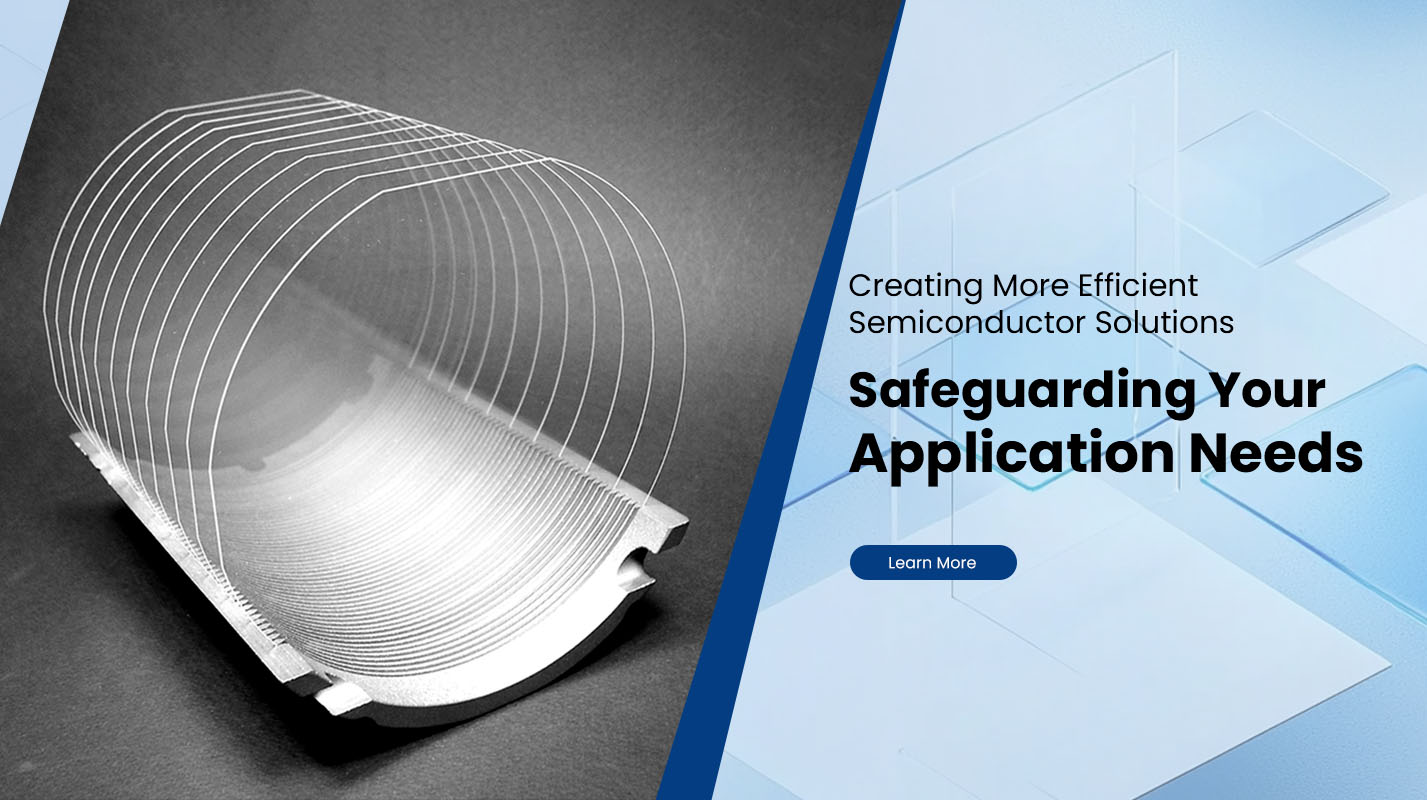
How Are Glass Wafers Packed?
Glass Wafers require carefully designed packaging because their precision surfaces and fragile structures can be affected by vibration, particles, moisture, and mechanical impact during transportation. Proper packaging is not only about preventing physical damage but also maintaining wafer cleanliness and performance consistency after delivery.
As a professional glass wafer packaging supplier, Plutosemi develops packaging methods based on wafer size, thickness, surface requirements, and application conditions. A complete packaging solution combines protection materials, handling processes, and environmental control to reduce risks throughout the shipping process.
Why is glass wafer packaging important?
Glass wafers are precision components that often require strict surface quality and dimensional stability. Even small scratches, contamination, or edge damage may influence later processing performance.
Effective packaging protects wafers from several potential risks:
Particle contamination during handling
Surface scratches caused by direct contact
Breakage from vibration or impact
Moisture exposure during storage and transportation
Wafer movement inside containers
For industries requiring consistent wafer performance, packaging is considered an important part of product quality control rather than a simple delivery step.
What materials are used for glass wafer packaging?
The selection of packaging materials depends on wafer specifications and transportation requirements. Different protection layers are combined to create a stable environment.
Typical packaging structures include:
| Packaging Component | Main Function |
|---|---|
| Wafer cassette | Keeps wafers separated and organized |
| Protective film | Prevents surface contamination and scratches |
| Cushioning material | Reduces vibration impact during transportation |
| Sealed bag | Provides dust and moisture protection |
| Outer carton or case | Protects against external mechanical damage |
A suitable packaging design allows wafers to remain stable from production completion to final application.
How does packaging protect glass wafers during shipping?
Transportation involves various environmental conditions, including vibration, temperature changes, and handling pressure. Without proper protection, wafers may experience edge chipping, surface contamination, or unexpected breakage.
Glass wafer shipping protection usually focuses on four key areas:
1. Mechanical protection
The package must prevent wafer movement and absorb external forces. Proper spacing between wafers helps avoid direct contact that may create scratches.
2. Clean environment control
Dust and particles can affect wafer performance, especially for applications requiring high surface quality. Clean packaging procedures help maintain wafer conditions after inspection.
3. Moisture resistance
Some applications require additional moisture protection to prevent surface changes during long-distance transportation or storage.
4. Identification and traceability
Clear labeling helps ensure correct handling during receiving, inspection, and production processes.
What factors determine the right packaging method?
Not every glass wafer requires the same packaging structure. The packaging method should match the technical requirements of the product.
Important factors include:
Wafer diameter and thickness
Surface treatment requirements
Quantity per shipment
Transportation distance
Storage environment
Application sensitivity
For example, thicker glass wafers may require stronger mechanical protection, while ultra-thin wafers may need additional support to reduce bending stress.
How are glass wafers prepared before packaging?
Packaging quality begins before the wafer enters the container. A controlled preparation process helps ensure that each wafer meets delivery requirements.
The general preparation steps include:
Surface cleaning to remove particles and processing residues.
Quality inspection to confirm appearance and dimensional accuracy.
Sorting according to specifications and customer requirements.
Careful handling using suitable equipment.
Final sealing and labeling before shipment.
This process reduces the possibility of contamination entering the package after inspection.
What should be considered for bulk glass wafer packaging?
Large-volume shipments require more attention to packaging efficiency and consistency. A well-designed packaging system helps maintain product quality while improving handling convenience.
For bulk glass wafer packaging, manufacturers usually consider:
Number of wafers per container
Protection level during long-distance transport
Space utilization during shipment
Easy loading and unloading
Storage compatibility
A stable packaging solution helps reduce transportation risks and supports smoother production scheduling.
How does packaging affect overall wafer supply reliability?
Packaging is closely connected with delivery quality. A wafer that meets technical specifications during production still needs proper protection until it reaches the application site.
A complete supply solution combines manufacturing accuracy with reliable packaging management. As a glass wafer packaging supplier, Plutosemi considers packaging design as part of the overall wafer production process, ensuring that products maintain their intended performance from factory inspection to final use.
Reliable packaging does not simply protect glass wafers; it supports stable processing results, reduces unnecessary losses, and creates a more predictable supply experience.
Previous: