
Why Use Sapphire for LED?
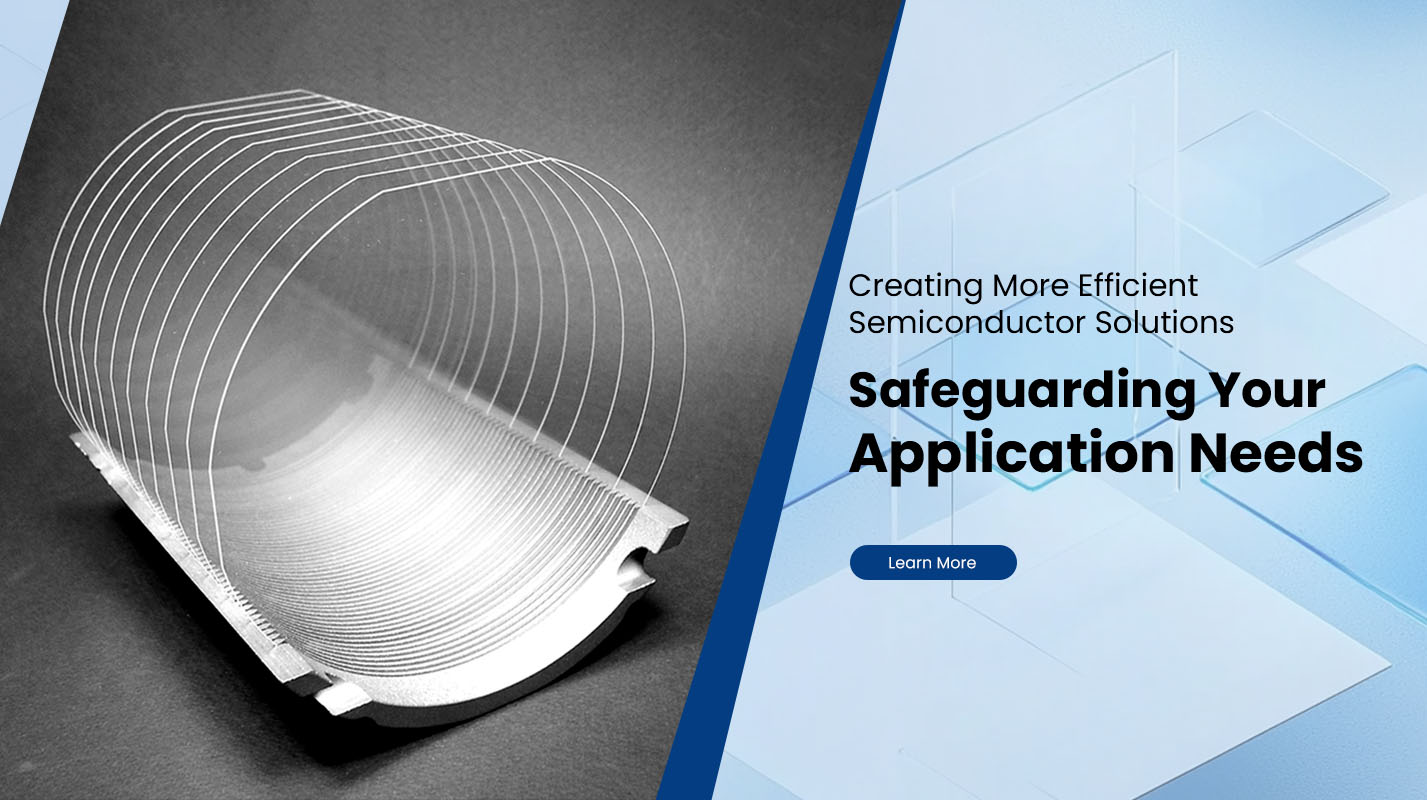
Sapphire is widely used as a substrate material for LED manufacturing because it combines optical transparency, high hardness, thermal stability, and chemical resistance. Its crystal structure supports the growth of gallium nitride-based semiconductor layers, making it suitable for blue, green, ultraviolet, and other high-performance LED applications. For manufacturers evaluating substrate materials, a sapphire wafer for LED offers a practical balance between production reliability, material performance, and cost control.
How Does Sapphire Support LED Epitaxy?
LED devices based on gallium nitride require a stable substrate for epitaxial layer growth. Sapphire has a crystalline structure that can support the deposition of GaN layers through controlled high-temperature processes. Although its lattice parameters are not perfectly identical to GaN, optimized buffer layers and epitaxial techniques help manage lattice mismatch and reduce defect-related risks.
The surface condition of the substrate directly affects the quality of the epitaxial film. Wafer flatness, surface roughness, crystal orientation, and particle control must remain within the process requirements of the LED manufacturer. A clean and precisely polished surface improves layer uniformity and supports more consistent device performance across the wafer.
What Makes Sapphire Suitable for LED Production?
High Optical Transparency
Sapphire transmits a broad range of visible and ultraviolet light, which is valuable for LED structures designed to emit light through the substrate side. Its optical performance helps reduce unnecessary absorption and supports efficient light extraction when the device structure is properly designed.
Strong Thermal Stability
LED production includes thermal treatments and epitaxial growth at elevated temperatures. Sapphire maintains its structural stability in demanding thermal environments and has a high melting point of approximately 2,050°C. This characteristic helps the substrate withstand repeated high-temperature processing without easily deforming.
Excellent Mechanical Hardness
With a Mohs hardness of about 9, sapphire is significantly harder than ordinary glass and many transparent materials. This provides good resistance to scratching during handling, cleaning, and process transfer. Proper equipment settings are still required because excessive mechanical stress may cause edge chipping.
Good Chemical Resistance
Sapphire demonstrates strong resistance to many acids, alkalis, and process chemicals. This makes it suitable for cleaning, photolithography, etching, and other semiconductor manufacturing stages. Chemical compatibility should still be verified according to the exact process recipe and temperature.
Stable Wafer Geometry
LED production benefits from consistent wafer thickness, diameter, orientation, and edge profile. Stable geometry allows automated equipment to handle substrates more reliably and helps maintain uniform process conditions from epitaxy to chip fabrication.
Which LED Applications Use Sapphire Substrates?
Sapphire substrates are commonly associated with GaN-based LED technologies. Typical applications include general lighting, display backlighting, automotive lighting, ultraviolet LEDs, optical indicators, and specialty illumination. The final selection depends on emission wavelength, epitaxial structure, chip design, equipment compatibility, and target production volume.
| Evaluation Item | Typical Importance in LED Production |
|---|---|
| Crystal orientation | Supports compatible epitaxial growth |
| Surface roughness | Influences film uniformity and defect control |
| Wafer thickness | Affects handling and process stability |
| Diameter | Must match production equipment |
| TTV and flatness | Helps maintain consistent process conditions |
| Edge quality | Reduces handling-related damage |
How Should Manufacturers Select a Sapphire Wafer?
Purchasing decisions should begin with the complete process specification rather than wafer diameter alone. Confirm the required crystal orientation, diameter, thickness, surface finish, total thickness variation, bow, warp, edge treatment, packaging method, and inspection standard. The wafer should also be evaluated through sample testing before volume production.
A reliable LED sapphire wafer supplier should be able to provide consistent batches, technical communication, traceability, inspection records, and flexible support for customized specifications. Plutosemi supplies sapphire and other semiconductor materials for customers requiring controlled geometry and application-oriented wafer solutions.
Sapphire remains an effective substrate choice when LED manufacturers need optical performance, thermal stability, mechanical strength, and repeatable processing. Matching the wafer specification with the epitaxial process is the key to achieving stable production results.
Previous: