

PlutoSemi Standard Low-Resistivity Silicon: A Cost-Effective Substrate Material Balancing Sensing and Power Applications
In the semiconductor materials industry, Silicon Wafers can generally be divided into two categories based on resistivity: high-resistivity silicon wafers and low-resistivity silicon wafers.
Standard low-resistivity silicon wafers, with their balanced electrical conductivity, moderate cost, and ability to support both sensing and power applications, play an essential role in consumer electronics, automotive electronics, and power devices. They serve as a key bridge between high-performance requirements and large-scale manufacturing. Unlike heavily doped low-resistivity silicon mainly designed for extreme power scenarios such as high current and high voltage applications, standard low-resistivity silicon does not simply pursue the lowest possible resistivity. Instead, it focuses more on the balance of electrical conductivity, material stability, process compatibility, and cost control.
For mature applications such as consumer-grade MEMS, automotive electronic sensors, standard discrete devices, and some MCUs, this balance between performance and cost often provides higher practical value. Plutosemi Co., Ltd. (International brand: PlutoSemi) provides corresponding silicon wafer products and processing services based on the material requirements of different semiconductor devices. Standard low-resistivity silicon has therefore become an important material choice for large-scale chip manufacturing.
Why Does Standard Low-Resistivity Silicon Support Both Sensor and Power Applications?
From the perspective of application scope, standard low-resistivity silicon occupies a representative position between sensors and power devices.
On one hand, it can support applications such as MEMS, IMUs, and pressure sensors that require silicon materials to participate in device structures and electrical functions. On the other hand, it can also cover some discrete devices such as standard diodes.
Therefore, its core characteristics can be summarized into three key aspects:
1. Balanced Electrical Conductivity
Through precise doping processes, standard low-resistivity silicon achieves metal-like electrical conductivity while maintaining stable and uniform conductive paths under high-current and high-frequency operating conditions. It does not experience problems such as resistance drift or current blocking. This balanced conductivity enables it to meet the high-current requirements of power devices while also adapting to high-speed switching scenarios in logic chips.
2. Moderate Cost
Through precise doping processes, standard low-resistivity silicon achieves metal-like electrical conductivity while maintaining stable and uniform conductive paths under high-current and high-frequency operating conditions. It does not experience problems such as resistance drift or current blocking. This balanced conductivity enables it to meet the high-current requirements of power devices while also adapting to high-speed switching scenarios in logic chips.
3. Broad Application Coverage
From consumer-grade IMUs and tire pressure sensors to standard diodes and MCU logic chips, standard low-resistivity silicon can cover sensing, control, and some power-related applications, making it suitable for large-scale semiconductor manufacturing.

Why Is Material Matching More Important Than Pursuing Extreme Parameters?
For semiconductor manufacturers, there is no single “best parameter” of silicon wafers that applies to all products. Different chip structures and manufacturing processes have different requirements for silicon materials. The truly important factor is selecting silicon wafers that match the device design and manufacturing process, rather than simply pursuing higher doping levels or lower resistivity. This is also the reason why standard low-resistivity silicon continues to maintain long-term application value.
For applications such as consumer-grade IMUs, tire pressure sensors, standard diodes, and MCUs, stability, balance, cost efficiency, and compatibility with mature processes are often more important than pursuing a single extreme performance indicator.
PlutoSemi’s Standard Low-Resistivity Silicon Manufacturing Capability
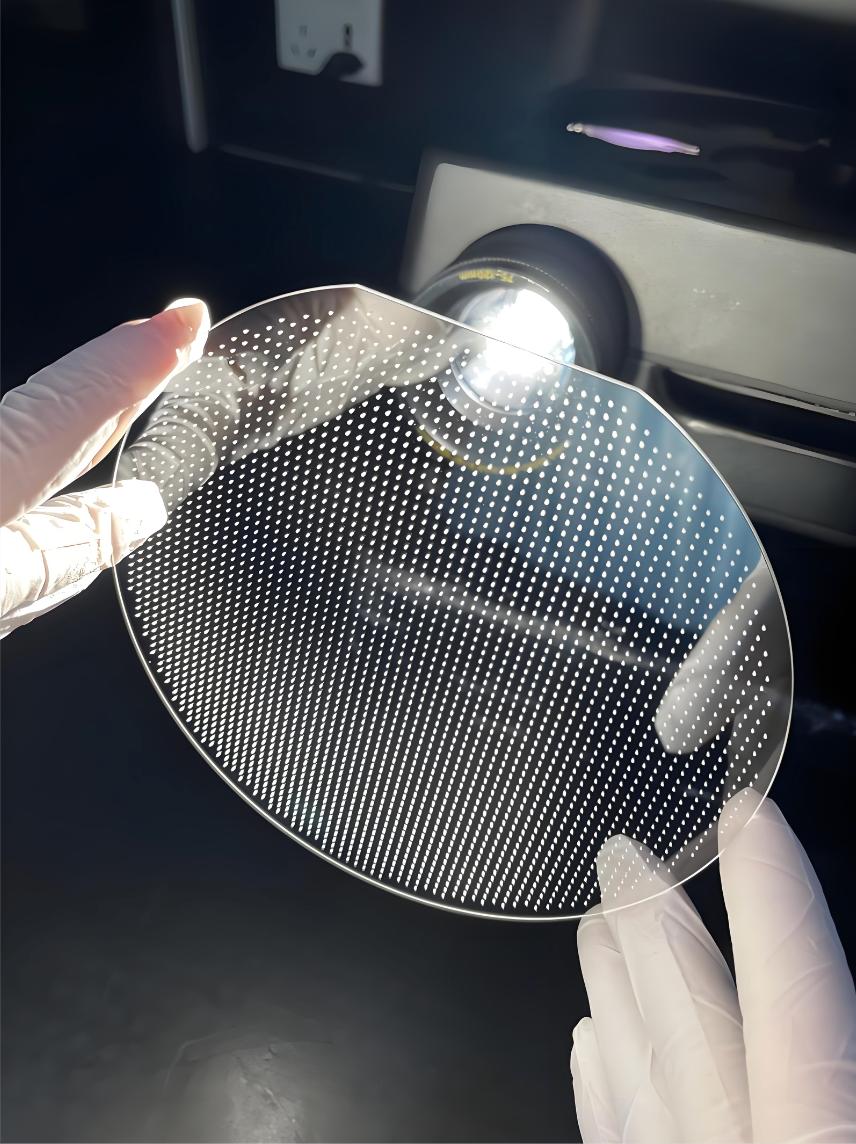
PlutoSemi is an important participant in the domestic low-resistivity silicon wafer field. Through precise high-concentration doping processes, the company achieves stable mass production of low-resistivity silicon wafers with uniform and controllable resistivity.
Standard low-resistivity silicon is a “low-profile but indispensable” foundational material in the semiconductor industry. Unlike high-resistivity silicon, which is known for extreme performance characteristics, it supports broad markets including consumer electronics, automotive electronics, and power devices through its practical advantages of balanced conductivity, moderate cost, and compatibility with both sensing and power applications.
With the accelerated development of power semiconductor and MEMS sensing industries, the market demand for standard low-resistivity silicon will continue to grow. Domestic substrate material suppliers represented by PlutoSemi are contributing to the independent and controllable development of this critical material.